How Often Should You Water Your Foxtail agave?
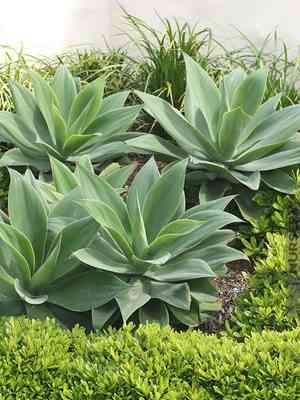
1
Moisten your Foxtail agave bi-weekly to support robust development.
2
Confirm the container possesses drainage openings to avoid saturated substrate.
3
Irrigate thoroughly, letting surplus liquid fully escape.
Grasping Foxtail Agave's Hydration Requirements
The Importance of Correct Watering
Appropriate watering is vital for the well-being and development of your Foxtail agave. This succulent, originating from Mexican deserts, is adapted to arid environments and tolerates drought better than excessive moisture. Foxtail agave roots are designed to efficiently absorb water and store it in its fleshy leaves. Overwatering can lead to root decay and other moisture-related ailments, which can severely harm the plant's health. Conversely, insufficient watering, while not immediately damaging, can stress the plant and hinder its growth. Striking the right balance is essential.
Indicators of Insufficient and Excessive Watering
Recognizing the signs of under- and overwatering can help you adjust your care routine before significant damage occurs. An underwatered Foxtail agave will display shriveled or dry leaves, indicating the plant is utilizing its stored moisture reserves. In contrast, overwatered plants might show yellowing foliage, a soft texture, and even an unpleasant smell from the roots. Addressing these indicators promptly can save your plant from severe harm. If you remember to hydrate your Foxtail agave bi-weekly, you can avoid both extremes.
Optimal Hydration Methods for Foxtail Agave
Ideal Time to Water Foxtail Agave
The best time to water your Foxtail agave is in the morning. This allows any surplus moisture on the leaves to evaporate throughout the day, reducing the risk of fungal infections. Morning watering also ensures the plant has sufficient water to withstand the day's heat, especially during hot summer months. Consistent timing can also establish a predictable watering schedule, which aids in maintaining your Foxtail agave's health.
Effective Water Application Techniques
When watering your Foxtail agave, it's crucial to focus on providing a thorough drenching rather than frequent, shallow irrigation. Pour water slowly at the plant's base until it starts to drain from the bottom holes. This ensures the root system receives adequate moisture without saturating the soil. Avoid getting water on the leaves, as this can lead to mildew and other foliar diseases. Use a watering can with a long spout to direct water precisely to the root zone.
Seasonal Hydration Guidelines for Foxtail Agave
Spring and Summer Care
During the active growth period, spanning spring and summer, your Foxtail agave will require more frequent watering. This is when the plant is actively developing and needs more resources. Checking soil moisture is vital; a good guideline is to water whenever the top 2-3 cm (1 inch) of soil feels dry. High temperatures and longer daylight hours mean the soil will dry out faster, necessitating more frequent monitoring and watering approximately every two weeks.
Autumn and Winter Considerations
In autumn and winter, the Foxtail agave enters a dormant phase and needs significantly less water. During these cooler months, overwatering can be particularly detrimental as the plant's metabolism slows, and it requires much less moisture. It's best to reduce watering frequency to once every three to four weeks, depending on the dryness of the indoor air if the plant is kept inside. Always check the soil to ensure it's dry before watering, as this will help prevent root rot and other moisture-related issues.
Common Questions on Foxtail Agave Watering
How often should I water my Foxtail agave?
Water your Foxtail agave every two weeks during its active growth season (spring and summer) and every three to four weeks during its dormant period (fall and winter). Always check the soil moisture before watering; the top 2-3 cm (1 inch) of soil should be dry before you add more water.
Is tap water suitable for my Foxtail agave?
Yes, you can use tap water for your Foxtail agave, but it's advisable to let the water sit for 24 hours beforehand. This allows any chlorine or harsh chemicals to dissipate, making the water safer for your plant. If your tap water is particularly hard, consider using filtered water or rainwater to prevent potential accumulation of salts and minerals in the soil.



