How Often Should You Water Your Chinese evergreen?
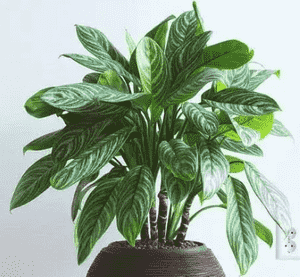
1
Provide moisture to your Chinese evergreen around once every seven days, modifying the schedule according to surrounding conditions.
2
Decrease how often you water during the colder period when the plant's development decelerates.
3
Utilize a potting substrate that drains effectively to avoid excessive moisture and decay of roots.
Deciphering the Hydration Needs of Chinese Evergreen Plants
Elements Affecting Water Requirements
The hydration demands of a Chinese evergreen are influenced by several aspects, such as the plant's dimensions, the container's size, ambient air temperature, humidity levels, and the time of year. Larger specimens generally demand more water, while smaller ones need less. Similarly, the pot's material and size can influence how rapidly water drains, affecting irrigation frequency.
Indicators of Adequate Hydration
To confirm your Chinese evergreen is sufficiently hydrated, observe indicators like vibrant, firm foliage. A thriving plant will exhibit luxuriant, green leaves without any signs of wilting or discoloration. Slightly damp soil is another sign of proper moisture. If these signs are present, your watering regimen is likely appropriate.
Optimal Practices for Irrigating Your Chinese Evergreen
Selecting the Appropriate Water Source
The quality of water you provide can significantly impact your Chinese evergreen. While municipal tap water is typically acceptable, it's advisable to let it stand overnight to allow chlorine to dissipate. Rainwater is also an excellent choice. Avoid using softened water, as accumulated salts can damage the plant and soil.
Seasonal Adjustments for Watering
Your irrigation schedule should evolve with the seasons. During spring and summer, when the Chinese evergreen is actively growing, it will require more frequent watering, approximately once a week. However, in autumn and winter, its growth slows, necessitating less water, so modify accordingly—perhaps watering every two weeks.
Common Errors to Avoid When Hydrating Chinese Evergreen
Problems Arising from Excessive Watering
Over-watering is a frequent error and can lead to root rot, a serious issue for the Chinese evergreen. Symptoms of over-watering include yellowed leaves, soft stems, and an unpleasant odor emanating from the soil. To prevent this, ensure proper drainage for the soil and pot, and refrain from watering if the topsoil layer is still moist.
Issues Stemming from Insufficient Watering
Conversely, under-watering can also cause your Chinese evergreen to suffer. Signs of insufficient hydration include dry, brittle leaf edges and wilting. To avert under-watering, make it a habit to regularly check soil moisture levels and water when the top inch (2.5 cm) of soil feels arid to the touch.
When to Hydrate: Pinpointing the Ideal Moment
Soil Moisture Examination
One of the most reliable methods to determine when your Chinese evergreen requires water is by performing a soil moisture test. Insert your finger about an inch (2.5 cm) into the soil. If it feels dry, it's time to irrigate. Alternatively, a moisture meter can provide more accurate readings.
Visual Cues and Plant Indications
Beyond checking the soil, pay attention to visual indicators and signals from the plant itself. Healthy, glossy leaves signify a well-hydrated plant. If the plant begins to droop or its leaves lose their sheen, these are signs that your plant needs water. Act swiftly to provide the necessary moisture.



