How Often Should You Water Your Chives?
1
Saturate your Chives completely, yet not too often, to promote extensive root development.
2
An effectively draining substrate is vital for avoiding excessive moisture and root decay.
3
Typically, irrigate your Chives every one to two weeks, modifying this schedule according to particular environmental factors.
Deciphering Chives Hydration Requirements
What Makes Chives Distinctive?
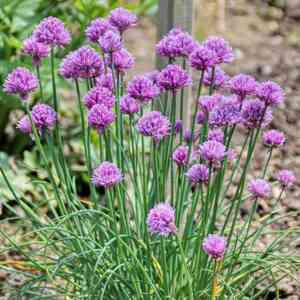
Chives (Allium schoenoprasum) are a beloved herb renowned for their onion-like taste and simple cultivation. They are robust perennials that flourish in various environments, making them a preferred choice for novice and seasoned gardeners alike. A unique characteristic of Chives is their ability to withstand diverse water levels, though comprehending their specific hydration demands can optimize development and flavor. Despite their resilience, Chives favor well-drained soil and consistent, moderate dampness.
Indicators of Adequate Hydration
Properly hydrated Chives will display vivid green foliage and vigorous growth. If your plants appear robust, with new shoots regularly emerging, this typically signals they are receiving the correct amount of water. Excessive watering can cause the leaves to become limp and yellow, while insufficient watering may result in dry, brittle greenery. Observing these visual cues will assist you in modifying your watering practices to keep your Chives thriving.
Optimal Strategies for Irrigating Chives
How Often to Hydrate Chives
Typically, Chives should be watered every 1-2 weeks, but this can fluctuate based on climate, soil type, and whether they are cultivated indoors or outdoors. In warmer climates or during arid periods, you might need to irrigate more frequently. Conversely, in cooler, more humid conditions, less frequent watering is necessary. The key is to monitor the soil moisture and ensure it remains moderately damp but not waterlogged.
The Correct Method for Watering
When hydrating Chives, it’s best to water deeply and thoroughly. This encourages the roots to penetrate deep into the soil, fostering a stronger plant. Utilize a watering can or a hose with a gentle spray to avoid dislodging soil around the roots. Ensure the water reaches approximately 15-20 cm (6-8 inches) into the soil, and allow the topsoil to dry out slightly before the subsequent watering. Avoid wetting the leaves excessively, as this can lead to fungal issues.
Modifying Your Watering Schedule
Seasonal Elements Influencing Water Needs
The watering requirements for Chives can change with the seasons. During the hot summer months, Chives may necessitate more frequent irrigation, possibly once a week or more. In contrast, during the colder months, the plants' water demands diminish, and you may only need to water every 2-3 weeks. Furthermore, rainfall can impact your watering schedule, so always inspect the soil before adding more water.
Signs You Need to Adjust Watering Frequency
Monitoring your Chives for indications of over or under-watering is crucial. If the leaves begin to yellow and become saturated, it may suggest over-watering and you should decrease the frequency. On the other hand, if the leaves are arid and fragile, you need to increase your watering frequency. Regularly feel the soil at root level; if it's consistently soggy or parched, adjust accordingly. Balancing the moisture will encourage the healthiest growth.



