How Often Should You Water Your Peanut?
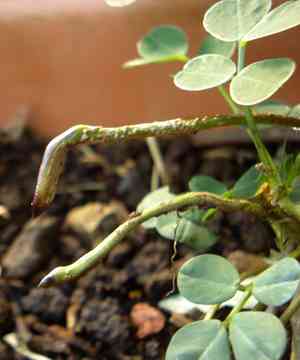
1
Provide consistent moisture to your Peanut plants bi-weekly for best development.
2
Inspect the upper 5-10 cm (2-4 inches) of soil to prevent excessive watering of the plants.
3
Irrigate in the early hours to minimize water loss through evaporation and enhance uptake.
Grasping Peanut Plant Hydration Requirements
Water's Function in Peanut Development
Water is vital for the growth and maturation of Peanut plants. Proper hydration aids in nutrient uptake from the soil, supports photosynthesis, and maintains the plant's overall vitality. Peanut plants, like most flora, depend on a steady water supply to transport nutrients to various plant parts for optimal development. A consistent and regular watering regimen is crucial to ensure healthy Peanut plant growth and a good harvest.
Indicators of Adequate Hydration and Insufficient Watering
Recognizing the signs of proper moisture and dehydration can help you maintain your Peanut plants' well-being. Well-hydrated Peanut plants will exhibit vibrant green foliage with a firm texture. In contrast, parched plants may display wilting, yellowing leaves, and stunted development. Regularly assess soil moisture by inserting your finger approximately 5-10 cm (2-4 inches) into the soil. If it feels dry, it's time to irrigate your plants.
Impacts of Excessive Watering on Peanut Plants
While keeping Peanut plants hydrated is essential, overwatering can be harmful. Excessive watering can lead to waterlogged soil, which deprives roots of necessary oxygen, fostering root rot and fungal diseases. Symptoms of overwatering include yellowing leaves, wilting despite wet soil, and an unpleasant odor emanating from the soil. Ensure the soil drains effectively to prevent these issues.
Optimal Watering Practices for Peanut
When to Irrigate: Time of Day and Weather Conditions
The time of day and prevailing weather conditions significantly influence effective watering. The best time to water Peanut plants is early in the morning when temperatures are lower, and evaporation is minimized. Avoid watering during peak afternoon heat, as much moisture will evaporate before reaching the roots. Additionally, be mindful during rainy seasons to adjust your watering schedule accordingly.
How to Irrigate: Techniques for Deep and Uniform Moisture
Achieving deep and uniform moisture in the soil is critical for the Peanut plant's root health. Water at the plant's base to ensure moisture reaches the root zone. Utilizing a watering can or drip irrigation system can help distribute water evenly. Avoid overhead watering as it can lead to fungal problems. Aim for consistently moist but not soggy soil, which you can assess by feeling the soil's texture with your fingers.
The Significance of Well-Draining Soil
Well-draining soil is fundamental to Peanut plant health. Soils that retain too much water can cause root rot and other problems. To ensure good drainage, consider incorporating organic matter such as compost or sand into your garden soil. Raised beds can also enhance drainage. Regularly cultivating the soil around the plants can help keep it loose and well-aerated.
Seasonal Watering Adjustments for Peanut
Modifying Water Frequency in Warm and Cold Months
During hot summer months, Peanut plants may require more frequent watering, possibly up to three times per week, as higher temperatures increase evaporation. Conversely, in cooler months, you may reduce watering frequency to once weekly to prevent the risk of overwatering. Always monitor soil moisture and plant health to make necessary adjustments.
Influence of Precipitation on Your Watering Schedule
Rainfall can significantly affect your watering schedule. During periods of heavy rain, you may not need to water your Peanut plants at all. Ensure to check soil moisture to avoid overwatering. Installing a rain gauge can help you monitor how much water your plants have received naturally and determine if additional irrigation is necessary.
Preparing Peanut Plants for Inactive Periods
As Peanut plants approach inactive periods, typically late fall and winter, their water needs will decrease. Gradually reduce watering frequency as temperatures drop and plant growth slows. Properly preparing your Peanut plants for dormancy helps them survive the colder months and thrive once the growing season resumes.



