How Often Should You Water Your Pacific madrone?
1
During its active growth phase, provide the Pacific madrone with water weekly to ensure peak vitality.
2
Wilting foliage and scorched leaf margins indicate insufficient water, while yellowing leaves and possible root decay frequently signal excessive watering.
3
Employ a well-draining soil blend and assess the moisture content using your digit or a moisture gauge prior to irrigation.
Understanding the Hydration Needs of Pacific Madrone
Native Environment's Impact on Water Requirements
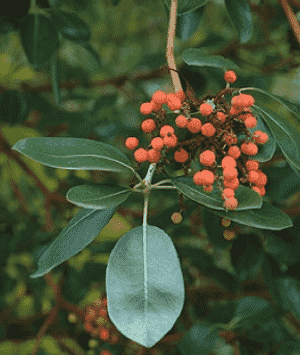
The Pacific madrone originates from the Pacific Northwest's coastal areas, flourishing in well-drained earth and moderate rainfall. Grasping this natural setting is crucial for replicating similar conditions in your garden. This tree thrives with balanced soil moisture, neither parched nor waterlogged. In its natural habitat, Pacific madrone trees don't have a constant water supply but depend on seasonal precipitation and the forest floor's moisture retention. Therefore, your watering regimen should mirror these natural patterns, providing water regularly but allowing the soil to dry out moderately between applications.
Seasonal Changes in Pacific Madrone Watering
Pacific madrone's watering demands fluctuate significantly with the seasons. During spring and summer, when the tree is actively growing, it needs more frequent irrigation, typically weekly. However, in autumn and winter, its growth slows, and the tree requires less water. It's essential to adjust your watering schedule accordingly, reducing frequency to every two to three weeks in cooler months to prevent excessive watering and root decay.
Identifying Signs of Insufficient and Excessive Watering
Symptoms of Dehydrated Pacific Madrone
Recognizing signs of dehydration in your Pacific madrone is vital for its health. A primary symptom is drooping leaves, appearing limp and lifeless. Additionally, leaf edges might turn brown and brittle, indicating insufficient moisture. In severe cases, the tree's growth can slow, and it becomes more vulnerable to pests and diseases. Maintaining a consistent watering schedule, especially during warmer months, can help avert these issues.
Symptoms of Over-Hydrated Pacific Madrone
Excessive watering is as harmful as insufficient watering. Symptoms of an over-hydrated Pacific madrone include yellowing foliage and a general dampness around the planting area. Prolonged overwatering can lead to root rot, a condition where roots become waterlogged and begin to decompose, ultimately killing the tree. To prevent overwatering, always check soil moisture before adding more water. If the soil feels damp to the touch, it's best to postpone watering until it dries out somewhat.
Optimal Practices for Watering Pacific Madrone
Determining the Correct Water Volume
Figuring out the right amount of water for your Pacific madrone might involve some initial experimentation. Begin by supplying enough water to moisten the top 15-20 centimeters (6-8 inches) of soil. This depth ensures water reaches the root zone where it's most needed. Observe how quickly the soil drains; if it stays soggy for an extended period, you might need to reduce the volume. Conversely, if it dries out too rapidly, slightly increase the water amount during each session. Regular soil moisture checks will help you fine-tune the ideal watering quantity.
Techniques for Efficient Hydration
Employing efficient watering methods can significantly impact your Pacific madrone's health. Drip irrigation systems or soaker hoses are highly recommended as they deliver water directly to the tree's base, minimizing evaporation and runoff. This approach encourages deep root development and ensures water penetrates deeply into the soil. Furthermore, mulching around the tree's base can help retain soil moisture and decrease watering frequency, making your care routine more effective.
Maintaining Optimal Soil Moisture Levels
Selecting the Appropriate Soil Blend
The soil type you use is crucial for maintaining the ideal moisture level for your Pacific madrone. This tree prefers well-drained soils that are slightly acidic to neutral. A sandy loam mix is often perfect as it provides excellent drainage while retaining essential moisture. Avoid using heavy clay soils as they can hold too much water and cause root problems. If your native soil isn't naturally well-drained, consider amending it with organic matter or sand to enhance its drainage capabilities.
Assessing Soil Moisture Before Irrigation
Before watering your Pacific madrone, it's essential to check the soil's moisture level to avoid the pitfalls of both under and overwatering. You can easily do this by inserting your finger about 5-7 centimeters (2-3 inches) into the soil. If it feels dry at this depth, it's time to water. For a more precise measurement, use a soil moisture meter which provides a readout of the moisture levels at different soil depths. This tool is particularly useful for preventing overwatering, as it offers a clear indication of the soil's current state.



