How Often Should You Water Your Common wormwood?
1
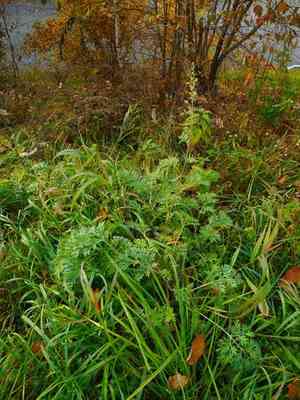
Provide moisture to your Common wormwood weekly, modifying as per environmental factors and substrate composition.
2
In warmer regions, water more often; in colder, damper areas, less frequent watering might be necessary.
3
Confirm the growing medium drains effectively to avoid root decay and encourage robust development.
Understanding the Hydration Requirements of Common wormwood
The Influence of Weather on Irrigation Schedule
Weather conditions significantly impact how often you should irrigate your Common wormwood. In arid, warm environments, the plant will demand more frequent watering, potentially exceeding the suggested weekly interval. Conversely, in cool, damp regions, watering once every ten days might suffice. Monitor climatic patterns and modify as needed to maintain plant health.
Soil Composition and Its Moisture Retention Abilities
The substrate in which your Common wormwood is planted greatly affects its water demands. Sandy soils drain rapidly and may necessitate more frequent irrigation, while clay soils hold moisture longer and could require less frequent watering. Ideally, cultivate your Common wormwood in well-draining soil to prevent waterlogging and root decay.
Seasonal Changes in Common wormwood Watering Needs
The quantity of water your Common wormwood requires can fluctuate with the seasons. During the hot summer months, the plant will need more hydration to remain vigorous. In contrast, during autumn and winter, when the plant's growth slows, you can decrease the irrigation frequency. Always check the soil before watering: if the top 2-3 centimeters (1 inch) are dry, it's time to irrigate.
Proper Techniques for Watering Your Common wormwood
A Step-by-Step Guide to Irrigating Common wormwood
Effective watering begins with assessing soil moisture. Insert your finger approximately 2-3 centimeters (1 inch) into the soil. If it feels dry, it's time to water. Thoroughly irrigate your Common wormwood until the soil is moist to a depth of about 15-20 centimeters (6-8 inches). This ensures the root system receives adequate water. Apply water at the plant's base to avoid wetting foliage, which can lead to fungal issues.
Common Errors to Avoid When Watering
A frequent error is excessive watering, which can cause root rot and other problems. Always allow the soil to dry out between irrigation sessions. Avoid shallow watering as it promotes superficial root development, making the plant more vulnerable to drought. Instead, water deeply and less often. Finally, do not water during the hottest part of the day to minimize evaporation; early morning or late evening is optimal.
Adjusting Your Irrigation Routine
When to Increase Watering Frequency
You might need to increase irrigation frequency during extremely hot or windy conditions, as these can rapidly dry out the soil. Also, if your Common wormwood is in a container, it may dry out faster than if it were in the ground, requiring more frequent watering. Be attentive and modify your schedule as necessary.
Indicators That Common wormwood Requires Less Water
If the leaves of your Common wormwood are yellowing or drooping, it could signal overwatering. Ensure that the soil isn't remaining saturated for extended periods. Another sign is the presence of fungi or mold on the soil surface, indicating excessive moisture. Adjust your watering schedule to allow the soil to dry out more between waterings.
FAQs Regarding Common wormwood Hydration
How Can I Tell If I'm Overwatering My Common wormwood?
Symptoms of overwatering include yellowing foliage, wilting, and a foul smell emanating from the soil, indicating root decay. The soil may also feel consistently damp even several days after watering. If you observe these signs, reduce irrigation frequency and ensure the soil has proper drainage.
Can Insufficient Watering Cause Permanent Damage to Common wormwood?
Underwatering, if addressed promptly, typically does not result in lasting harm. The plant may exhibit signs of stress, such as wilting or dry, brittle leaves, but these can often be reversed by adequately hydrating the plant. Prolonged dehydration, however, can lead to severe stress and may result in permanent damage or even plant demise.



