How Often Should You Water Your Common milkweed?
1
Provide moisture to your Common milkweed weekly for optimal development.
2
Prior to watering, always assess soil dampness to prevent excessive irrigation.
3
In warmer periods, you might need to water more often.
Grasping the Hydration Requirements of Common milkweed
Its Natural Environment and How It Affects Watering
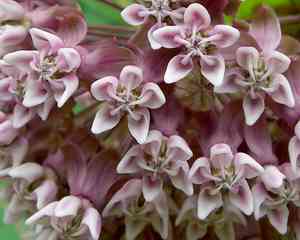
Asclepias syriaca, commonly known as Common milkweed, flourishes across North America, frequently found in meadows, prairies, and along roadways. This native setting dictates its watering needs, as the plant is accustomed to well-draining soil and intermittent rainfall. Thus, replicating these conditions in your garden or container setup will help your Common milkweed thrive. Local precipitation patterns can inform your watering schedule, especially for outdoor plants.
Indicators of Excessive or Insufficient Watering
Recognizing the symptoms of either too much or too little water is vital for maintaining your Common milkweed's health. Overwatering can lead to root rot, evidenced by drooping or discolored leaves. Conversely, underwatering can cause the plant to dry out, with foliage curling or browning at the edges. Regularly observe the plant for these signs to ensure optimal hydration.
A Step-by-Step Guide to Hydrating Your Common milkweed
Optimal Times to Water Common milkweed
Irrigate your Common milkweed during the early morning or late afternoon. These periods are ideal as they allow water to reach the roots before evaporating in the day's heat. Avoid evening watering, as cooler nights can promote fungal growth and other diseases.
How Much Water Does Common milkweed Require?
Typically, you should water your Common milkweed weekly, ensuring the soil remains consistently moist but not waterlogged. Each watering session should be thorough, providing approximately 2.5 liters (0.66 gallons) of water for a single, mature plant. For new seedlings, increased frequency may be necessary until they are well-established.
What Kind of Water is Most Suitable?
The Common milkweed is quite robust and can be watered with standard tap water. However, if you reside in an area with very hard water, consider using rainwater or filtered water to prevent potential mineral accumulation in the soil, which can negatively impact plant health over time.
Maintaining Appropriate Soil Moisture
Tools and Methods for Assessing Soil Hydration
To accurately gauge soil moisture, utilize a soil moisture meter. These are affordable and widely available at garden centers. Insert the probe into the soil near the plant's roots for a moisture reading. Alternatively, a simple finger test can be employed: push your finger about 5 cm (2 inches) into the soil. If it feels dry at this depth, it's time to water.
Modifying Watering Based on Seasons and Weather
Adjust your watering regimen according to seasonal shifts and climatic conditions. During warmer summer months, your Common milkweed may need more frequent watering as the soil dries out faster. Conversely, in cooler or rainy seasons, reduce watering frequency, ensuring the soil doesn't become overly saturated. Always prioritize the soil's condition as your primary guide.
Resolving Common milkweed Watering Issues
Addressing Yellow Foliage and Other Typical Indicators
Yellowing leaves can signal both overwatering and underwatering, or even nutrient deficiencies. Pay close attention to the plant's overall health and soil conditions. If you observe persistent yellowing, check root health and consider evaluating soil pH and nutrient levels.
When to Modify Your Watering Schedule
Adjust your watering routine based on observed plant behavior and changing environmental factors. For instance, if your Common milkweed isn't thriving despite a regular watering schedule, try slightly increasing or decreasing the water amount and observe the outcomes. Flexibility and careful observation are crucial for mastering watering techniques.



