How Often Should You Water Your Ponytail palm?
1
Provide water to your Ponytail palm bi-weekly in its active growth period to maintain peak condition.
2
Verify that your Ponytail palm's container includes drainage openings to avert root decay from surplus water.
3
Erratic hydration patterns can negatively impact your Ponytail palm, resulting in discolored foliage and hindered development.
Deciphering the Hydration Requirements of Ponytail Palms
The Distinctive Water Storage Capability of Ponytail Palms
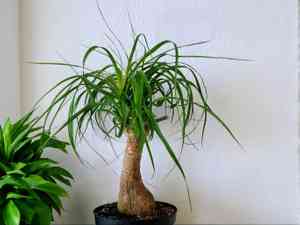
The Beaucarnea recurvata, or Ponytail Palm, is a captivating plant recognized for its prominent swollen trunk. This trunk not only contributes to its unique appearance but also plays a vital role in storing water. Originating from Mexico's arid zones, the Ponytail Palm has evolved to store moisture efficiently, enabling it to endure drought conditions. Consequently, it can thrive for prolonged periods without frequent watering, making it an excellent choice for individuals with busy lifestyles or those new to plant care.
Indicators of Excessive and Insufficient Watering
Recognizing the symptoms of both over- and under-watering is essential for preserving your Ponytail Palm's vitality. Over-saturation can result in root decay, marked by a soft trunk and yellowing foliage. Conversely, insufficient watering might cause the leaf tips to turn brown and crispy. If the soil remains constantly damp or emits an unpleasant odor, it signals over-watering. Conversely, if the soil is excessively dry and the leaves start to droop, your plant likely requires more moisture.
Optimal Hydration Practices for Your Ponytail Palm
Seasonal Watering Guidelines: Adapting to Climate and Temperature
Ponytail Palm hydration needs fluctuate with the seasons. During its active growth phase (spring and summer), hydrate your plant every fortnight, ensuring the soil completely dries out between applications. As temperatures drop in autumn and winter, the plant's growth slows, and so should your watering frequency. During these colder periods, reduce watering to once a month. Always assess the soil's moisture content before watering to prevent oversaturation.
The Impact of Container Dimensions and Growing Medium on Hydration
The container's dimensions and the soil type you employ significantly influence how frequently your Ponytail Palm needs water. A larger pot will retain moisture longer than a smaller one, necessitating adjustments to your watering regimen. Furthermore, a fast-draining substrate, such as a succulent or cactus blend, is advisable to prevent water from accumulating around the roots. Ensure your pot features drainage holes to allow excess water to escape, thereby averting root rot.
Common Errors to Avoid When Hydrating Ponytail Palms
Preventing Excessive Moisture and Ensuring Adequate Drainage
One of the most frequent errors in Ponytail Palm care is over-watering. This plant is highly vulnerable to root rot if left in saturated soil. To prevent this, consistently use a pot with drainage holes and a well-draining soil mixture. If you inadvertently over-water, permit the soil to completely dry out before re-watering. In some instances, if root rot has begun, you may need to repot the plant in fresh, dry soil.
How Irregular Hydration Schedules Impact Ponytail Palm Health
Consistency is paramount for your Ponytail Palm's well-being. Sporadic watering can stress the plant, leading to issues like yellowing or browning leaves and stunted development. To maintain a regular schedule, utilize a calendar or set reminders. Adhere to the recommended watering frequency of every two weeks during the growing season and adjust as necessary during cooler months. Consistent attention will guarantee your Ponytail Palm thrives and remains a captivating addition to your dwelling.



