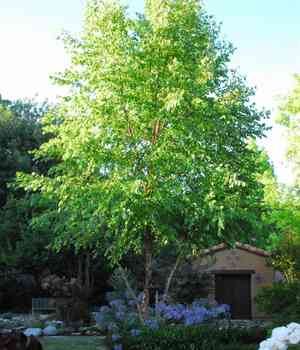
How Often Should You Water Your River birch?
1
River birch trees flourish with steady hydration and typically need watering bi-weekly.
2
Applying mulch around your River birch can aid in preserving soil dampness and decrease how often you need to water.
3
The optimal period to irrigate your River birch is either at dawn or dusk to lessen water loss through evaporation.
Grasping the Hydration Needs of River Birch
How Soil Composition Affects Watering
The type of soil significantly influences how often you should irrigate your River birch. Sandy soils drain quickly, often necessitating more frequent watering, while clay soils retain moisture longer but can become waterlogged. Ideally, River birch thrives in loamy soil, which balances drainage and moisture retention. Amending your soil with organic matter can boost its water-holding capacity, aiding your tree's hydration.
Climate and Seasonal Influences
Climate and season greatly impact your River birchâs water demands. In hot, arid conditions, more frequent irrigation is crucial to counter evaporation and stress. Conversely, during cooler periods, you can lessen watering frequency as the soil holds moisture longer. Always monitor weather patterns and adjust your watering regimen to ensure your River birch stays healthy throughout the year.
Effective Watering Methods for River Birch
Volume of Water for Each Irrigation
When watering your River birch, aim for deep, thorough saturation rather than shallow, frequent applications. A good guideline is to provide about 1.5-2 inches (approximately 3.8-5 centimeters) of water per session. This encourages deeper root growth, making the tree more resilient during dry spells. To verify sufficient watering, use a soil moisture meter or dig about 6 inches (15 centimeters) into the soil; it should feel damp.
Optimal Time of Day for Watering River Birch
The best time to water your River birch is in the early morning or late evening. Watering during these cooler periods minimizes evaporation, ensuring more water reaches the roots. Avoid irrigating during the hottest part of the day, as rapid evaporation can lead to inefficient water use and potential stress for your tree.
Common Watering Errors to Avoid with River Birch
Excessive Watering and Its Repercussions
One of the most frequent errors is overwatering, which can be harmful to your River birch. Too much water can cause root rot, a condition that suffocates roots and ultimately weakens the tree. Symptoms include yellowing leaves, stunted growth, and a soft base. To prevent this, always ensure proper soil drainage and only water when the topsoil feels dry to the touch.
Insufficient Watering: Identifying the Signs
Conversely, underwatering can also damage your River birch. Signs include wilting foliage, dry and brittle branches, and slow development. If you observe these symptoms, increase your watering frequency and regularly check soil moisture levels. Deep and consistent watering is vital for keeping your River birch adequately hydrated.
Advanced Hydration Practices for Healthier River Birch
Mulching and Its Benefits for Moisture Retention
Mulching is a highly effective strategy for preserving soil moisture around your River birch. Applying a 2-3 inch (5-7.6 centimeters) layer of organic mulch like wood chips or bark helps reduce evaporation, maintain stable soil temperature, and suppress weeds. Be sure to leave some space around the tree trunk to prevent fungal issues.
Utilizing Automated Irrigation Systems
Automatic irrigation systems offer a convenient solution for maintaining the ideal watering schedule for your River birch. Drip irrigation systems, in particular, provide slow, deep watering, which is perfect for tree roots. These systems can be easily adjusted to deliver the correct amount of water, ensuring your tree receives consistent hydration without the risk of overwatering.



