How Often Should You Water Your Paper birch?
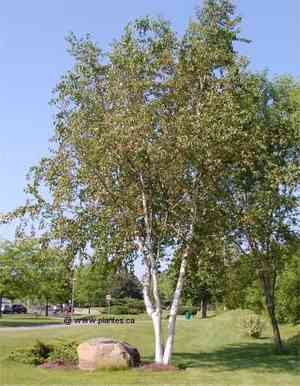
1
Provide moisture to your Paper birch bi-weekly to sustain ideal soil dampness.
2
Excessive watering of Paper birch can cause root decay, potentially hindering the tree's development and vitality.
3
Modify irrigation schedule based on seasonal changes; decrease in colder months and increase during warmer periods.
Grasping the Hydration Requirements of Paper Birch
The Fundamentals of Paper Birch Moisture
Supplying your Paper birch with the correct amount of water is vital for its development and vitality. These trees flourish in damp soil but can suffer if the soil is excessively dry or saturated. Irrigating twice weekly, approximately 4 liters (1 gallon) per instance, serves as a good general guideline. Young trees and recently planted birches require more frequent watering to establish a robust root system.
Indicators of Excessive and Insufficient Watering
Recognizing the signs of over-watering and under-watering is critical for your Paper birch. Over-irrigation can lead to yellowing foliage, root decay, and fungal infections. Symptoms of insufficient watering include wilting, dry leaves, and stunted growth. Regularly assess the soil's dampness and modify your watering regimen accordingly to prevent these problems.
Seasonal Hydration Demands
The watering needs of your Paper birch will fluctuate with the seasons. During the warm summer months, your tree will necessitate more frequent irrigation, while in winter, less water is required due to slower growth and dormancy. Spring and autumn are transitional periods where you should gradually adjust the watering schedule. Always monitor the soil moisture and weather conditions to make more informed decisions.
Optimal Practices for Irrigating Paper Birch
Selecting the Appropriate Watering Implements
Choosing suitable watering tools can significantly impact maintaining soil moisture levels. A soaker hose or drip irrigation system is ideal for delivering a slow and consistent water supply, ensuring deep soil penetration. For more manual options, a watering can with a removable sprinkle head allows for controlled water distribution. These tools ensure water reaches the root zone efficiently.
Effective Irrigation Methods
Effective watering techniques involve uniformly distributing water around the base of your Paper birch. Watering at the soil surface rather than over the leaves helps prevent fungal diseases. Aim to water in the early morning or late afternoon to minimize evaporation. Applying mulch around the tree's base helps retain soil moisture and reduces the frequency of watering.
Assessing Soil Moisture Prior to Watering
Before irrigating, always check the soil moisture to determine if your tree genuinely requires more water. Utilize a soil moisture meter or simply insert your finger about 5 cm (2 inches) into the soil near the tree's base. If the soil feels moist, postpone watering. This helps prevent both over-watering and under-watering, ensuring the soil maintains optimal moisture levels.
Caring for Paper Birch in Diverse Environments
Watering Paper Birch in Arid Climates
In dry climates, the soil tends to dry out more rapidly, so your Paper birch may need more frequent irrigation. Heavy mulching can help retain moisture and reduce evaporation. Drip irrigation systems can be particularly effective in these environments, providing consistent moisture directly to the root zone.
Adjusting Watering Schedules in Humid Conditions
Humid conditions mean slower evaporation rates, so the watering schedule for your Paper birch can be less frequent. Despite the humidity, always check soil moisture before watering to avoid overwatering. Ensure good air circulation around the tree to prevent fungal issues due to excessive moisture.
Indoor vs. Outdoor Paper Birch Hydration Needs
Indoor Paper birch trees typically require less watering than their outdoor counterparts due to controlled environmental conditions. However, indoor trees should be closely monitored for signs of dry soil, especially if the indoor air is dry. Ensure that the pot has good drainage and use a well-draining potting mix to prevent waterlogging.



