How Often Should You Water Your Crossvine?
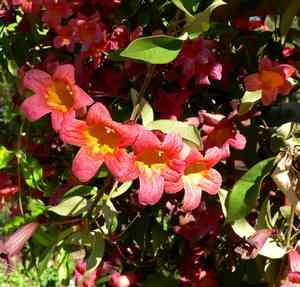
1
Crossvine thrives with thorough irrigation, making sure moisture penetrates to its roots.
2
Hydrate Crossvine two times weekly for peak development.
3
Applying a layer of mulch around your Crossvine can aid in soil moisture retention and lessen the need for frequent watering.
Grasping Crossvine's Hydration Requirements
Why Adequate Hydration is Essential for Crossvine's Vitality
Appropriate watering is crucial for a flourishing Crossvine. Too little or too much water can negatively impact its development and overall health. Correct irrigation ensures the plant absorbs vital nutrients from the soil, promoting flower production and abundant foliage.
Elements Affecting Water Demands
Several aspects influence Crossvine's watering needs. These include the local climate, soil composition, and the plant's developmental stage. For example, Crossvine in sandy soil will need more frequent watering compared to those in loamy or clay soils. Additionally, younger plants require more water during establishment than mature, well-rooted vines.
Optimal Watering Practices for Crossvine
How Much Water Does Crossvine Require?
Crossvine needs thorough watering to encourage robust root development. Aim to provide approximately 5-7 liters (1.3-1.8 gallons) per irrigation session. Ensure the water penetrates the soil to a depth of at least 15-20 cm (6-8 inches).
Ideal Time of Day to Hydrate Crossvine
The best time to water your Crossvine is in the early morning or late afternoon. This prevents rapid water evaporation due to midday heat, ensuring the plant has sufficient moisture throughout the day.
Seasonal Adjustments to Watering Schedule
During the active growth period, especially in spring and summer, Crossvine demands more frequent watering. Conversely, in the colder months of autumn and winter, you can decrease the frequency. Despite this, ensure the soil never completely dries out.
Indicators of Overwatering and Underwatering Crossvine
What Does an Overwatered Crossvine Look Like?
An overwatered Crossvine may exhibit yellowing leaves, wilting, and root decay. The soil will often be waterlogged and drain poorly. If you observe these signs, reduce watering and check for proper drainage.
Signs That Your Crossvine is Dehydrated
An underwatered Crossvine can appear parched, with drooping or brittle leaves. The soil will likely be dry and compacted. Consistent watering and mulching can help rectify this.
Advanced Tips for Crossvine Irrigation
Utilizing Moisture Meters for Precise Watering
Moisture meters can be a valuable tool to gauge the exact moisture levels in your soil. Insert the meter's probe into the soil to determine if your Crossvine needs watering.
Mulching and Other Methods to Retain Soil Moisture
Applying mulch around the base of your Crossvine helps conserve soil moisture, reduces the need for frequent watering, and stabilizes soil temperature. Organic materials like wood chips or shredded leaves are excellent choices for mulch.



