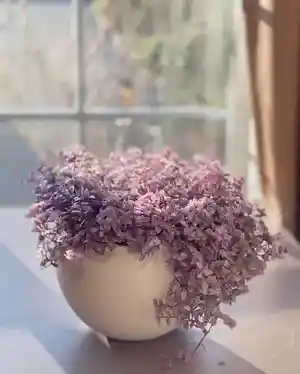
How Often Should You Water Your Turtle vine?
1
Moisten your Turtle vine weekly for best development.
2
In warmer months, your Turtle vine may need more regular hydration because of higher evaporation rates.
3
Employ water measurement devices to guarantee you're supplying roughly 200-300 ml (6.7-10.1 oz) each time you water.
Understanding the Moisture Needs of Callisia repens
Factors Affecting Hydration Requirements
The Callisia repens is a robust and adaptable plant, yet its hydration demands can fluctuate based on several key elements. Firstly, consider its surroundings; a Callisia repens cultivated indoors under artificial illumination will have distinct needs compared to one thriving in direct outdoor sunlight. Indoor specimens generally require less water due to diminished light and air circulation. Substrate composition is another crucial factor. Callisia repens prefers well-draining soil, which prevents water from accumulating around the roots and causing decay. If your substrate retains too much moisture, it might necessitate more frequent irrigation, but always aim for a medium that balances moisture retention with proper drainage. Lastly, the size of your Callisia repens can influence its water intake. Larger plants with more developed root systems and foliage will naturally demand more hydration.
Seasonal Changes in Irrigation
Seasonal shifts can significantly impact your Callisia repens's watering regimen. During spring and summer, when the plant is actively growing, you may need to irrigate more often. Higher temperatures and increased sunlight lead to quicker evaporation and greater water consumption by the plant. Conversely, in autumn and winter, the Callisia repens enters a dormant phase, which substantially reduces its water requirements. Excessive watering during this period can be harmful, potentially leading to root rot. Always check the top 2.5 cm (1 inch) of soil; it should be dry before re-watering during the colder months.
Effective Watering Techniques for Your Callisia repens
Optimal Practices for Hydrating Callisia repens
Effectively hydrating your Callisia repens involves a combination of consistency and correct methodology. First, establish a regular watering schedule. Typically, watering once a week is sufficient, but always modify based on specific circumstances. When irrigating, use enough water to thoroughly moisten the soil without creating puddles on the surface. Approximately 200-300 ml (6.7-10.1 oz) of water per session is a good starting point. Ensure the water reaches the root zone where it's most essential. Also, use room temperature water to prevent shocking the roots with cold water, and always allow excess water to drain from the pot's drainage holes, preventing root decay.
Indicators of Insufficient and Excessive Watering
Recognizing the signs of under-watering and over-watering is vital for the well-being of your Callisia repens. Under-watered Callisia repens plants tend to have dry, brittle leaves, and may appear shriveled. They might also exhibit stunted growth and a general lack of vigor. Over-watered Callisia repens, conversely, will display symptoms of yellowing foliage, particularly from the base upwards. The soil will feel perpetually damp and may emit an unpleasant odor, indicating root rot. If you observe these signs, adjust your watering habits immediately and, if necessary, consider repotting your plant into fresh, dry substrate.
Watering Young vs. Mature Callisia repens Plants
Hydration Needs for Juvenile Plants
Young Callisia repens plants are more delicate and require more attentive hydration compared to their mature counterparts. Juvenile plants should be watered more frequently but with smaller volumes to ensure that the tender roots are not overwhelmed or deprived of oxygen. Newly propagated or recently planted Callisia repens should have consistently moist soil, especially during the initial few weeks. However, avoid waterlogged soil conditions, as this could lead to root decay.
Adjustments as Callisia repens Matures
As your Callisia repens develops, its hydration requirements will change. Mature Callisia repens plants develop more extensive root systems, enabling them to absorb water more efficiently and thus can tolerate longer intervals between watering. Instead of frequent light irrigation, mature plants benefit more from deep watering that ensures moisture penetrates to the lower root zones. Additionally, monitor the plant during transitional growth phases and adjust watering practices accordingly. For instance, during growth spurts, your Callisia repens might require a slight increase in water.
FAQ: Common Questions About Hydrating Callisia repens
How do I know if I'm providing enough water to my Callisia repens?
To ascertain if you are adequately hydrating your Callisia repens, observe the plant's overall health and soil moisture levels. The soil should be damp but not saturated, and the top 2.5-5 cm (1-2 inches) should dry out between irrigation sessions. A reliable method is to insert your finger into the soil: if it feels dry at the surface, it's time to water.
Can Callisia repens endure periods of low moisture?
While Callisia repens exhibits some drought tolerance and can survive brief periods of limited water availability, it thrives best with consistent hydration. Prolonged periods of low moisture can stress the plant, leading to reduced growth, leaf shedding, and an overall unhealthy appearance. For a flourishing Callisia repens, maintain a regular watering schedule and adjust as needed based on environmental conditions.



