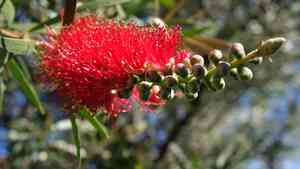
How Often Should You Water Your Crimson bottlebrush?
1
Provide moisture to your Crimson bottlebrush on a weekly basis throughout its active growth period for best vitality.
2
Assess the soil's dampness by inserting your digit into the earth; if it's arid to the depth of your first joint, then irrigation is needed.
3
Adequate water runoff is crucial to avoid root decay in Crimson bottlebrush. Confirm your container possesses enough drainage apertures.
Deciphering the Hydration Requirements of Crimson Bottlebrush
The Crucial Role of Correct Irrigation
Appropriate watering is vital for the Crimson bottlebrush, scientifically known as Callistemon citrinus. This stunning Australian native flourishes in well-draining soil with consistent moisture. Inadequate hydration can cause various health issues like wilting, leaf discoloration, and decreased flower production. Proper watering not only supplies the plant with sufficient moisture but also aids in nutrient and mineral uptake from the soil.
Typical Water Volume Needed for a Crimson Bottlebrush
The water quantity a Crimson bottlebrush requires varies based on factors like its age, size, soil condition, and climate. Generally, weekly watering is advised during its active growth period, from spring through early fall. During this time, the plant needs approximately 3-5 liters (0.8-1.3 gallons) of water each week. However, this amount should be adjusted according to your specific environmental conditions and the plant's response. Excessive watering can be as damaging as insufficient watering, so always verify soil moisture before adding more water.
Optimal Watering Practices for Crimson Bottlebrush
When to Irrigate: Recognizing Dehydration Cues
Knowing the ideal time to water your Crimson bottlebrush is essential. The plant will exhibit clear indications when it needs water. Drooping foliage and dry, crumbly soil are unmistakable signs that your plant requires hydration. Another simple technique is to insert a finger about 2-3 cm (1 inch) into the soil; if it feels dry at this depth, it's time to water. Regular observation and interaction with your plant will help you anticipate its needs.
Watering Methods for Robust Growth
Watering techniques greatly influence the overall health of your Crimson bottlebrush. It is best to water the plant thoroughly but less often. Deep watering promotes downward root growth, which allows the plant better access to moisture and nutrients. Utilize a hose or a watering can with a fine spray nozzle to apply water directly to the soil at the plant's base, avoiding wetting the leaves to reduce the risk of fungal diseases.
Seasonal Adjustments to Watering Schedules
Your watering regimen for the Crimson bottlebrush should adapt with the seasons. During hot summer months, increased frequency may be necessary due to higher evaporation rates and the plant's elevated water demands. Conversely, in cooler winter periods, reduce watering to once every two weeks, ensuring the soil remains moist but not waterlogged. Adapting to seasonal changes prevents plant stress and supports year-round vitality.
Common Watering Errors to Avoid with Crimson Bottlebrush
Excessive Watering: How Much is Detrimental?
Overwatering is a frequent error that can lead to root rot, especially for Crimson bottlebrush. Indicators of overwatering include yellowing leaves, wilting despite wet soil, and an unpleasant smell from the soil. If these signs appear, decrease watering frequency and ensure the plant's container has excellent drainage. Allow the soil to dry out slightly between watering sessions to maintain a healthy root system.
Insufficient Watering: Spotting the Red Flags
Underwatering can be equally detrimental, leading to drought stress and poor plant performance. Symptoms of underwatering include dry and crispy leaf edges, drooping foliage, and stunted growth. If you observe these signs, gradually increase the watering frequency. It is more effective to water deeply and infrequently rather than shallowly and often, to encourage strong root development.
The Impact of Inadequate Drainage on Irrigation
Proper drainage is imperative for the well-being of your Crimson bottlebrush. Poor drainage results in waterlogged soil, which can suffocate roots and foster root rot. Always ensure your planting pot has sufficient drainage holes and consider using a well-draining soil mix formulated for shrubs. Adding a layer of gravel at the pot's bottom can also assist drainage, promoting a healthy root system.
Crimson Bottlebrush Watering FAQs
How to Tailor Watering for Different Climates?
Adjusting your watering routine to suit your local climate is critical for your Crimson bottlebrush's health. In arid regions, you might need to water more frequently to counteract rapid evaporation, whereas in more humid conditions, reduce the water volume to prevent overwatering. Additionally, applying mulch can help retain soil moisture in hot climates and shield roots from temperature fluctuations.
Does Mulch Influence Watering Frequency?
Yes, mulching can significantly impact how often you need to water your Crimson bottlebrush. Mulch assists in retaining soil moisture, reducing evaporation, and maintaining a more consistent soil temperature. Organic mulches, such as bark or compost, also enrich the soil as they decompose. By utilizing mulch, you can extend the periods between watering, conserving water while providing your plant with a healthier growing environment.



