How Often Should You Water Your Carolina allspice?
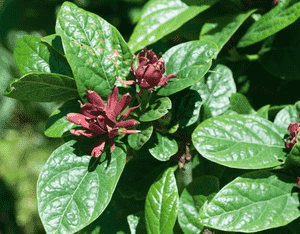
1
Provide water to your Carolina allspice bi-weekly throughout its active growth period for peak vitality.
2
Employ a soil humidity sensor to establish precise irrigation routines.
3
Applying mulch aids in preserving ground moisture and lessens the need for frequent watering.
Understanding Carolina allspice Hydration Needs
Elements Influencing Water Requirements
The quantity of water your Carolina allspice requires can fluctuate based on several elements such as ground composition, climate conditions, and plant maturity. Sandy substrates drain quicker and typically demand more frequent irrigation compared to clay soils that hold moisture longer. In arid, warm environments, plants will need more water, while cooler, wetter conditions can decrease watering frequency. Young plants are developing their root systems and might need more regular watering than established, mature plants.
Indicators of Adequate Hydration
Your Carolina allspice should appear robust with vibrant green foliage. The plant's leaves ought to be firm and upright. Insufficient water can lead to wilting, while leaves that are dull or yellowing could signal overwatering. Always observe the plant's general appearance to assess its well-being. Healthy leaves that do not droop or discolor are a good sign that your watering regimen is benefiting the plant.
Dangers of Excessive and Insufficient Watering
Both excessive and insufficient watering can harm your Carolina allspice. Overwatering results in waterlogged roots, which can cause root rot and other fungal ailments. Conversely, underwatering subjects the plant to drought stress, leading to wilting and eventually demise if not rectified. Achieving that balance is crucialâwater thoroughly but ensure the soil has proper drainage to prevent standing water.
Optimal Practices for Watering Carolina allspice
Seasonal Irrigation Guide
Modifying your watering schedule according to the seasons is vital. During spring and summer, when the plant is actively growing, irrigate your Carolina allspice approximately twice per week. In autumn, decrease this to once per week, and in winter, watering should be minimalâonly supplementing natural rainfall if necessary. Always adjust for unexpected weather conditions, like heatwaves or heavy downpours.
Selecting the Appropriate Watering Tools and Methods
Utilizing a soaker hose or drip irrigation system can help provide consistent water while preventing wetting the leaves, which can lead to disease. Manual watering can also be effective, but be sure to saturate the soil thoroughly. A watering can with a long spout or a hose with a gentle spray nozzle can help you reach the soil without splashing water onto the foliage. These tools aid in managing and distributing water more precisely.
How to Assess Soil Moisture Before Irrigating
Before reaching for your watering can, it's advisable to check the soil's moisture levels. Insert your finger about 5 cm (2 inches) into the soil; if it feels dry, it's time to water. Alternatively, use a soil moisture meter for a more accurate reading. Aim for soil that feels moist but not saturated to the touch. This practice prevents unnecessary watering and helps maintain the plantâs health.
Maintaining Carolina allspice in Various Environments
Indoor vs. Outdoor Care
Indoor Carolina allspice generally requires less water than those cultivated outdoors since indoor conditions tend to be more regulated and less variable. Outdoor plants are exposed to natural elements and may need more frequent watering, especially during dry periods. Monitor indoor humidity levels; if the air is very dry, you might need to increase watering slightly.
Adjusting Watering Based on Climate
The climate significantly impacts how often you should water your Carolina allspice. In arid or hot climates, the soil will dry out faster, necessitating more frequent watering, possibly more than twice a week. In contrast, in humid or wet climates, you may reduce watering frequency to weekly or even biweekly. Pay attention to local weather patterns and adjust accordingly.
Mulching and Other Moisture Retention Techniques
Applying mulch around your Carolina allspice can help retain soil moisture, lessen evaporation, and maintain a stable soil temperature. Organic mulches like wood chips, straw, or compost are excellent choices. Additionally, consider planting ground covers or employing other soil moisture retention methods to create a more favorable environment for your plant.



