How Often Should You Water Your Canterbury bells?
1
It is best to hydrate Canterbury bells weekly.
2
Always direct water to the soil at the base of Canterbury bells to deliver moisture directly to the root system.
3
Applying mulch around Canterbury bells aids in keeping the soil damp and cuts down on how often you need to water.
Deciphering the Hydration Needs of Canterbury Bells
Water's Contribution to Canterbury Bells Vitality
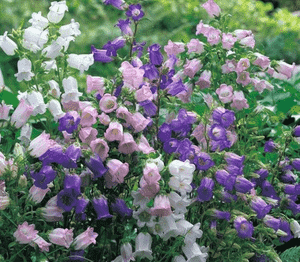
Moisture is paramount for the overall well-being of Canterbury bells. These charming biennial blooms, native to Southern Europe, feature delightful bell-shaped blossoms that enhance any garden. Water is essential for nutrient absorption, photosynthesis, and maintaining cell structure. Without sufficient water, Canterbury bells may experience stunted development and reduced flowering. Implementing a proper watering regimen helps maintain a robust and vibrant plant.
Indicators of Insufficient and Excessive Watering
Recognizing the signs of too little or too much water is crucial for caring for Canterbury bells. Dehydrated plants will exhibit drooping foliage, dry growing medium, and faded flowers, while over-hydrated plants often show yellowed leaves, root decay, and saturated soil. Evaluating the soil's moisture level can help balance water intake, fostering a healthier plant environment.
Optimal Strategies for Irrigating Canterbury Bells
How to Determine the Appropriate Water Volume
Ascertaining the correct volume of water for Canterbury bells becomes straightforward with a bit of experience. A good guideline is to provide enough water to keep the soil consistently moist but not saturated. Aim to supply approximately 1 inch (2.5 cm) of water weekly, which roughly corresponds to 1 gallon (3.8 liters) of water per square foot (0.09 square meters). Ensure deep watering, allowing moisture to penetrate the root zone.
Seasonal Adjustments to Watering Schedule
Canterbury bells require varying amounts of water based on the season. During summer, with higher temperatures and increased evaporation, more frequent watering may be necessary. Conversely, in cooler months, reduce irrigation to prevent waterlogging. Always check soil moisture first; if it's still damp from the prior watering, it's best to wait another day or two. Adjusting your watering schedule with seasonal changes ensures your Canterbury bells thrive throughout the year.
Advanced Techniques for Optimal Hydration
Employing Moisture Meters for Precision
A moisture meter serves as a useful device for any plant enthusiast aiming to provide exact care for their Canterbury bells. By inserting the moisture meter into the soil, you can quickly determine if it's time to water. This eliminates guesswork from watering, ensuring you deliver the correct amount of moisture. Regular use of a moisture meter can prevent common watering errors and promote healthier plant growth.
Mulching: A Method for Retaining Moisture
Applying mulch around your Canterbury bells is an effective method to preserve soil moisture, decrease water evaporation, and inhibit weed growth. Organic mulches such as straw, wood chips, or compost create a protective layer over the soil, helping maintain consistent moisture levels. Spread a 2-3 inch (5-7.5 cm) layer of mulch around the plant bases, being careful to keep it away from direct stem contact to prevent rot. Mulching not only conserves water but also enriches the soil as it breaks down, supplying additional nutrients for your Canterbury bells.



