How Often Should You Water Your Red valerian?
1
Red valerian generally requires weekly irrigation, though this schedule may vary with climatic factors.
2
Applying mulch aids in preserving soil dampness, which is highly beneficial for your Red valerian.
3
To prevent root decay, confirm your Red valerian is situated in soil that drains effectively.
Grasping the Hydration Requirements of Red valerian
The Essentials of Red valerian Moisture
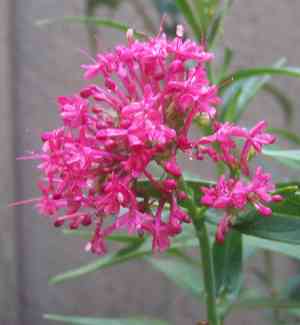
The Red valerian, Centranthus ruber, is a robust perennial recognized for its vivid red blooms and capacity to flourish in diverse soil conditions. Comprehending its hydration demands is crucial for ensuring its optimal development and vitality. Typically, Red valerian thrives with weekly irrigation, particularly when the topsoil feels arid. However, this recommendation may vary based on environmental elements and the plant's growing circumstances.
Elements Influencing Water Needs
Several elements can impact the watering requirements of your Red valerian. These encompass your region's climate, the time of year, soil composition, and whether your plant is potted or in the ground. In warmer climates or during summer, more frequent irrigation might be necessary. Conversely, in colder months or areas with high humidity, watering demands may decrease.
Appropriate Watering Methods for Red valerian
How to Efficiently Water Red valerian
Watering your Red valerian involves more than simply pouring water onto your plant. Ideally, you should irrigate in the early morning to allow moisture to permeate the soil and be absorbed before the day's heat causes evaporation. Ensure you water deeply and thoroughly so that the moisture reaches the plant's root system, which is vital for sustained growth.
Avoiding Common Watering Errors
Two frequent mistakes with Red valerian watering are excessive watering and insufficient watering. To prevent overwatering, ensure the soil drains well and isn't waterlogged. Overwatering can lead to root rot, a condition detrimental to the plant's health. Conversely, avoid allowing the soil to completely dry out as underwatering can weaken the plant and hinder its development.
Seasonal Watering Guide for Red valerian
Spring and Summer Irrigation
During spring and summer, Red valerian experiences its peak growth phase. As temperatures rise, you'll likely need to increase your watering frequency to twice a week, depending on the heat and dryness in your area. It's also beneficial to apply mulch around the plant's base to retain moisture and keep the roots cooler.
Autumn and Winter Care
In autumn and winter, the water requirements of Red valerian diminish. The growth rate slows, and cooler weather reduces evaporation from the soil. During these seasons, you might find that watering every two to three weeks is adequate. Always check the soil's moisture before deciding to water, ensuring it's not already damp.
Indicators of Overwatering and Underwatering Red valerian
Identifying Overwatering Symptoms
Overwatering can be just as detrimental as underwatering. Common signs of overwatering in Red valerian include yellowing foliage, a soft stem base, and a general decline in vitality. If you observe these indicators, assess the soil's drainage and promptly reduce the watering frequency.
Signs Your Red valerian Is Under-hydrated
Under-hydrating Red valerian can result in wilting, dry leaves, and stunted development. If your plant appears droopy or its leaves feel brittle, it's a strong indication it requires more water. Increase the frequency and volume of water, especially during hot and arid periods.



