How Often Should You Water Your Snow-in-summer?
1
Provide thorough but infrequent watering for Snow-in-summer, targeting approximately 2.5 cm (1 inch) of water weekly.
2
The optimal period to irrigate Snow-in-summer is during the early morning or late afternoon.
3
Lessen irrigation during colder months to avoid root decay and enable the plant to enter dormancy.
Grasping the Hydration Requirements of Snow-in-summer
The Significance of Proper Irrigation
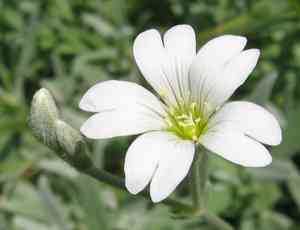
Correct watering is essential for your Snow-in-summer's health and vigor. This plant, known for its lovely, silvery-grey foliage and abundant white blooms, flourishes in well-drained soil. Consistent and suitable watering ensures the plant maintains its vibrant look and continues robust growth. Poor watering practices can lead to numerous issues, including root ailments, stunted development, and vulnerability to pests and diseases. Watering not only satisfies the plant's immediate need for moisture but also aids in nutrient uptake, supporting overall plant wellness.
Indicators of Excessive and Insufficient Watering
Recognizing if your Snow-in-summer is over- or under-watered is vital for its well-being. Overwatering often results in wilting, yellowing leaves, and root decay. In severe instances, you might detect a musty odor from the soil or even fungal growth. Conversely, underwatering is characterized by dry, brittle leaves and inhibited growth. The plant may droop during hot periods and slightly recover overnight, signaling a need for more consistent hydration. Maintaining a balance based on weather and soil conditions helps avert these problems.
Optimal Watering Methods for Snow-in-summer
Best Time of Day for Watering Snow-in-summer
For optimal outcomes, irrigate your Snow-in-summer either early in the morning or late in the afternoon. Morning watering allows the plant to absorb moisture before the day's heat intensifies, reducing evaporation and ensuring roots receive adequate hydration. Evening watering is also beneficial, but avoid wetting the foliage as this can encourage fungal diseases overnight. The key is to let the soil absorb water thoroughly, keeping the roots robust and healthy.
Recommended Irrigation Frequency
A general guideline for watering Snow-in-summer is to provide a thorough soaking once weekly, ensuring the soil is moist to a depth of approximately 2.5 cm (1 inch). However, the precise frequency can vary based on your local climate, soil type, and weather conditions. In very hot weather, you might need to water slightly more often, whereas during cooler or rainy periods, irrigation can be reduced. Always check the soil's moisture level before watering again.
Adjusting Watering According to Seasons
Seasonal shifts significantly influence how often you should water your Snow-in-summer. During the active growth period, especially in spring and summer, the plant will require more frequent watering due to higher temperatures and increased sunlight. As autumn approaches, decrease watering to help the plant prepare for dormancy. In winter, drastically cut back on water to prevent root diseases, as the plant's water requirements are minimal during this time. Adapting your watering schedule in line with seasonal changes ensures your plant stays healthy year-round.
Enhancing Soil and Drainage for Effective Hydration
Selecting the Appropriate Soil Blend
Choosing a suitable soil mix is fundamental for the successful cultivation of Snow-in-summer. Opt for well-draining soil that includes a blend of loam, sand, and a small amount of organic matter. This combination prevents water from pooling around the roots, which can lead to root rot. The soil should be slightly alkaline to neutral. You can improve your garden soil's structure by incorporating materials like perlite or coarse sand to boost drainage capabilities.
The Importance of Drainage in Preventing Waterlogging
Effective drainage is crucial in preventing waterlogging, which can severely harm Snow-in-summer. Waterlogged soil restricts oxygen flow to the roots, causing them to decay and ultimately leading to plant demise. Ensure that planting beds or containers have excellent drainage. Adding a layer of gravel or small stones at the base of pots can also facilitate better water flow. If planting directly in the garden, mound the soil or create raised beds to encourage excess water to drain away from the root zone.



