How Often Should You Water Your Eastern redbud?
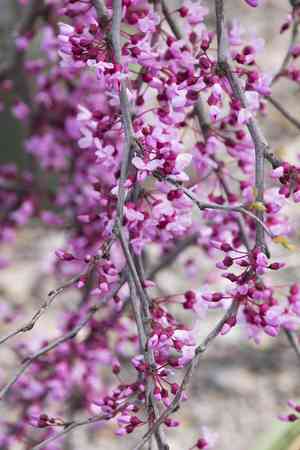
1
Eastern redbud trees generally thrive with irrigation two times weekly.
2
Steady hydration during the initial two years encourages robust root development.
3
Assess soil dampness by pushing your digit 5 to 10 centimeters (2 to 4 inches) into the earth.
Understanding the Hydration Needs of Eastern redbud
Fundamental Watering Principles for Eastern redbud
To cultivate a thriving Eastern redbud, grasping its basic water requirements is crucial. These attractive, deciduous trees flourish with sufficient and steady moisture. Like most trees, they need a proper balance â neither too parched nor too saturated. For a mature Eastern redbud, deep irrigation twice weekly typically suffices. Deep watering encourages a strong root system, ensuring the tree absorbs vital nutrients from the soil. A key aspect is to guarantee even water distribution around the drip line (the area directly beneath the tree's outermost branches) to promote uniform root development.
Factors Influencing Water Demands
Several elements impact the amount of water your Eastern redbud requires. Climate plays a significant role; areas with high temperatures and low humidity will necessitate more frequent watering than cooler, more humid regions. Soil type is another consideration. Sandy soils drain rapidly and might need more water, while clay soils retain moisture longer, thus requiring less frequent irrigation. Additionally, the tree's age and health are vital â younger trees and those recently transplanted demand more regular watering compared to well-established, mature specimens. Finally, weather conditions, such as recent rainfall or dry spells, can greatly affect watering frequency.
Optimal Watering Strategies for Eastern redbud
Best Times to Irrigate Eastern redbud
Watering at the correct time of day is as important as the quantity and frequency. For Eastern redbud, early morning watering is most advantageous. This timing allows water to penetrate deeply into the soil before the day's heat accelerates evaporation. By the time the afternoon heat peaks, the tree will have the necessary moisture for optimal photosynthesis and stress resilience. Late evening watering can also be beneficial but carries a slightly higher risk of fungal issues due to prolonged moisture on foliage and soil surfaces overnight.
How to Accurately Assess Soil Moisture
Understanding soil moisture is essential to prevent over or under-watering. The simplest method is the finger test: insert your finger 5 to 10 centimeters (2 to 4 inches) into the soil near the tree. If the soil feels dry at this depth, it's time to water. For a more precise reading, use a soil moisture meter. This device provides a numeric value indicating the soil's current moisture level, informing you exactly when to water. It's especially useful in areas with unpredictable weather patterns, ensuring your Eastern redbud receives consistent moisture.
Seasonal Watering Guidelines for Eastern redbud
Spring and Summer Care
During the active growth periods of spring and summer, Eastern redbud trees require more frequent irrigation. Elevated temperatures and vigorous growth spur higher water consumption. Ensure the soil remains consistently moist but never waterlogged; twice a week deep watering is a good general guideline. Mulching around the base can help retain soil moisture, regulate soil temperature, and provide organic nutrients. Monitor weather forecasts to adjust watering accordingly â more frequent during dry periods, less if rainfall is plentiful.
Fall and Winter Considerations
As Eastern redbud enters dormancy in fall and winter, its water requirements diminish. Reduce watering to once a week or even less, depending on local conditions. However, you must ensure the soil does not completely dry out, particularly if your region experiences dry winters. A periodic check of soil moisture is still necessary to prevent root desiccation. Avoid watering during freezing temperatures to protect the roots and prevent any ice-related damage.
Common Watering Errors to Avoid with Eastern redbud
Excessive Watering and Its Consequences
Over-watering is a frequent error and can be almost as detrimental as under-watering. Too much water can lead to root rot, a condition where roots begin to decay due to a lack of oxygen. Signs of over-watering in an Eastern redbud include yellowing leaves, stunted growth, and a generally unhealthy appearance. It's crucial to maintain a balance and ensure that the soil allows for proper drainage to prevent waterlogging.
Signs of Insufficient Watering
Conversely, under-watering poses a significant threat to your Eastern redbud. Signs include wilting foliage, leaf scorch, and premature leaf drop. The key is to ensure the soil remains consistently moist, particularly during the tree's developmental years and the hot summer months. Regularly inspect the tree and soil to observe these indicators and adjust watering schedules accordingly.



