How Often Should You Water Your Hinoki cypress?
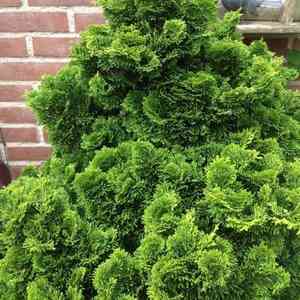
1
Hydrate your Hinoki cypress during the early hours of the day to maximize water uptake and lessen moisture loss through evaporation.
2
For recently planted Hinoki cypress, maintain uniform soil dampness, particularly throughout their initial period of active development.
3
Before irrigating, assess the soil's dampness at a depth of 5-7.5 cm (2-3 inches).
Deciphering Hinoki Cypress Irrigation Requirements
The Significance of Appropriate Moisture
Adequate moisture is vital for your Hinoki cypress's well-being and development. This magnificent, slow-developing evergreen needs steady hydration to uphold its vivid green leaves and general strength. Inadequate water can cause plant stress, leaving it vulnerable to invaders and illnesses. Conversely, excessive watering can drown the root system, causing decay and eventually plant demise.
Influence of Soil Composition on Watering
The ground type your Hinoki cypress resides in considerably impacts its hydration demands. Free-draining soil, like sandy loam, is perfect as it stops water from accumulating near the roots. Dense clay soils typically hold moisture excessively, which can be harmful. If your garden has clay soil, think about improving it with organic material or installing a drainage solution to guarantee prime circumstances.
Establishing Irrigation Schedule
Assessing Soil Wetness Prior to Hydration
Prior to irrigating your Hinoki cypress, it's crucial to evaluate the soil's moisture content. Insert your digit or a humidity sensor approximately 5-7.5 cm (2-3 inches) deep into the earth. If the soil at this level feels arid, it's time for watering. Continuously damp earth signifies the plant is sufficiently hydrated and needs no additional water.
Seasonal Shifts in Irrigation Requirements
Seasonal changes are a major factor in figuring out how often to water your Hinoki cypress. During the warm summer periods, the plant will need more frequent irrigation to counteract increased water loss through evaporation. Conversely, decrease the frequency of watering during the colder, wetter winter periods to avoid over-saturation, usually around once weekly.



