How Often Should You Water Your Bamboo palm?
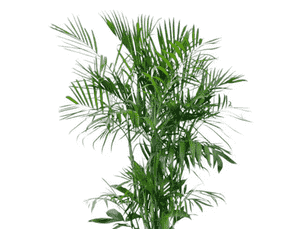
1
Moisten your Bamboo palm in moderation, keeping the soil consistently damp yet not oversaturated.
2
Lessen how often you water in colder periods when the plant's development decreases.
3
Utilize water at ambient temperature to prevent stressing the root system of your Bamboo palm.
Grasping the Hydration Requirements of Bamboo Palm
Elements Influencing Water Demands
To properly tend to your Bamboo palm, it's vital to comprehend the elements that dictate its water needs. Key aspects include the plant's dimensions, the container and substrate type, ambient conditions, and seasonal shifts. For example, larger specimens and those in free-draining soil might necessitate more frequent irrigation. Furthermore, Bamboo palms situated in bright, indirect light will dry out quicker than those in dimmer settings. In summer, you might need to water more often compared to winter when the plant's development decelerates.
Indicators of Adequate Hydration in Bamboo Palm
Recognizing the signs of sufficient hydration is paramount for sustaining your Bamboo palm's vitality. Look for vibrant, green fronds that are firm and erect. The growing medium should be uniformly moist but not waterlogged. If you observe yellowing foliage or a damp scent from the soil, it could signal overwatering. Conversely, dry and brittle brown leaf edges might indicate insufficient watering. Regularly assess the soil's moisture level by inserting your finger approximately 2-3 cm (1 inch) deep.
Optimal Practices for Irrigating Your Bamboo Palm
How Much Water Does Bamboo Palm Require?
The volume of water your Bamboo palm needs can fluctuate based on several elements, including pot size, soil blend, and the environment. As a general guideline, water until you observe it starting to exit the bottom of the container. This guarantees the entire root system receives ample moisture. Be careful to prevent water accumulation at the base, which could result in root rot. A pot with drainage apertures is essential, and employing a well-draining substrate like a peat and perlite mixture is advantageous.
When to Water: Timing and Regularity
Timing and regularity are crucial for effective watering. Typically, hydrating your Bamboo palm once weekly is adequate under standard growing conditions. However, you must modify this frequency based on the plant's requirements and environmental factors. During the active growth period (spring and summer), the plant may demand more frequent watering, whereas in autumn and winter, you can reduce the frequency as the plant's growth slows. Always inspect the top layer of the soil; if it feels arid to the touch, it's time to water. Early morning is the prime time to water your Bamboo palm as it enables the plant to absorb moisture throughout the day.
Avoiding Common Watering Errors with Bamboo Palm
Excessive Watering: Dangers and Prevention
Overwatering is among the most prevalent errors in plant care and can harm your Bamboo palm. Too much water can lead to saturated soil, causing root decay and fungal problems. Symptoms of overwatering include yellowing leaves, moldy soil, and a musty smell. To avert overwatering, ensure your pot has sufficient drainage and the soil dries out slightly between waterings. Maintaining a consistent watering schedule and utilizing a moisture meter can also aid in monitoring soil moisture levels.
Insufficient Watering: Detection and Correction
Underwatering is equally as damaging as overwatering. It can cause the plant's leaves to turn brown and crisp at the edges, stunted development, and dull, drooping foliage. If you suspect underwatering, first examine the soil; if it feels dry much deeper than the surface layer, it's time to water more thoroughly. Re-establish a regular watering routine and ensure the water adequately penetrates the root zone. A good drench occasionally, allowing surplus water to drain away, can revitalize a parched Bamboo palm.



