How Often Should You Water Your Camphor tree?
1
Provide your Camphor tree with weekly irrigation to maintain its health and promote robust growth.
2
Excessive watering is as detrimental as insufficient watering, making proper balance essential.
3
Employ a soil moisture sensor for accurate watering, ensuring the soil remains damp but not saturated.
Grasping the Hydration Requirements of a Camphor Tree
The Distinctive Moisture Needs
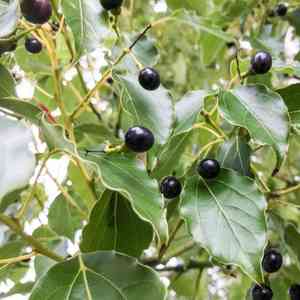
The Camphor tree (Cinnamomum camphora) is a robust evergreen that thrives in diverse settings. Nevertheless, comprehending its specific water demands is vital for proper upkeep. This tree appreciates consistent dampness but dislikes waterlogged soil. Due to its deep root system, the Camphor tree prefers infrequent, thorough irrigation to saturate the entire root area. This allows the plant to access water for extended periods, fostering strong root growth and overall vitality.
Elements Affecting Water Demand
Several elements influence the amount of water your Camphor tree will require: climate, soil composition, and the tree's age. In warmer regions, evaporation rates are higher, necessitating more frequent irrigation. Sandy soils drain faster and might need more frequent watering than clay soils, which retain moisture longer. Younger Camphor trees possess shallower roots and demand more frequent watering compared to mature trees, which have deeper and more extensive root systems.
Properly Irrigating a Camphor Tree
Optimal Methods for Efficient Watering
For effective watering, deeply irrigate your Camphor tree once weekly. Employ slow, saturating methods such as drip irrigation or soaker hoses to ensure moisture reaches the deeper root zones. The soil should remain consistently moist but not oversaturated. It's best to water in the early morning or late evening to minimize evaporation and allow the tree to absorb water effectively.
Common Watering Errors to Avoid
Steer clear of typical errors like watering too often or too little. Excessive watering can lead to root rot, while insufficient watering stresses the tree, making it vulnerable to pests and diseases. Another frequent mistake is only watering the surface, which doesn't reach deeper roots. Ensure water penetrates at least 30 cm (12 inches) deep.
Adjusting Your Watering Schedule Seasonally
Spring and Summer Irrigation Advice
During spring and summer, Camphor trees undergo active growth and require more water. Increase the frequency to once every 5-7 days, and ensure deep watering to support rapid development and foliage expansion. Watch for signs of dehydration, such as wilting leaves, and modify watering accordingly.
Autumn and Winter Considerations
In the cooler months of autumn and winter, decrease the watering frequency to every 10-14 days. Trees are in a dormant state and need less water. Be mindful of rainfall during these seasons and adjust your watering schedule so your Camphor tree doesn't receive too much water, which could lead to root issues.
Tools and Techniques for Effective Watering
Selecting the Right Watering Implements
Choosing appropriate watering tools can make a significant difference. For instance, using a watering wand with a gentle spray nozzle helps deliver water softly without disturbing the soil. A soil moisture meter is invaluable for checking moisture levels at the root zone, eliminating guesswork from watering. Drip irrigation systems provide a consistent and controlled water supply, which is ideal for deep-rooted trees like the Camphor tree.
Innovative Watering Approaches
Adopting innovative techniques can boost your watering efficiency. Mulching around the tree base not only preserves soil moisture but also regulates temperature and reduces weed competition. Rainwater harvesting is an eco-friendly method to water your Camphor tree, utilizing stored rainwater through your irrigation system. Another technique is the use of deep root waterers, which deliver water directly to the roots, ensuring optimal moisture distribution.



