How Often Should You Water Your Butterfly pea?
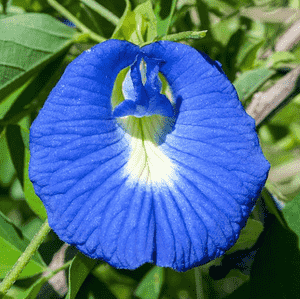
1
Provide water to your Butterfly pea weekly for best growth and vitality.
2
To assess soil moisture, insert your finger approximately 2 inches (5 cm) deep. If it's dry, watering is needed.
3
Refrain from using chlorinated tap water. Instead, choose distilled or rainwater for your Butterfly pea's well-being.
Grasping Butterfly Pea's Hydration Needs
Elements Affecting Water Requirements
Butterfly pea's hydration demands fluctuate based on several aspects, such as the plant's dimensions, soil composition, container size, and surroundings. Larger specimens with extensive root systems need more water, and well-draining soil maintains appropriate moisture without becoming saturated. Furthermore, temperature and humidity are crucial. In warm climates, Butterfly pea might need more frequent irrigation, whereas in cooler conditions, less frequent watering suffices.
Seasonal Watering Adjustments
Seasonality greatly impacts Butterfly pea's watering schedule. During its active growth period, typically spring and summer, the plant is more vigorous and requires increased water. Conversely, in autumn and winter, growth slows, and so should watering frequency. Balancing watering practices seasonally helps prevent both insufficient and excessive hydration.
How to Discern if Butterfly Pea Requires Water
Assessing Soil Moisture
To ascertain if your Butterfly pea needs watering, the finger test is a simple yet effective technique. Insert your finger approximately 2 inches (5 cm) into the soil. If it feels arid, it's a clear indication the plant needs water. You can also employ moisture meters for a more precise reading. Ensuring the soil remains consistently moist without being waterlogged is vital for robust growth.
Indicators of Under- and Over-Hydration
Early identification of watering problems can preserve your Butterfly pea. Symptoms of insufficient watering include wilting, drooping foliage, and dry substrate. Conversely, excessive watering manifests as yellowing leaves, root decay, and perpetually damp soil. Recognizing these signs promptly allows you to modify your watering habits, ensuring your plant stays vibrant and healthy.
Appropriate Watering Methods for Butterfly Pea
Optimal Time of Day for Watering
The best time to hydrate your Butterfly pea is in the morning. This allows water to reach the roots before the day's heat causes evaporation. Morning watering also gives the plant time to dry before nightfall, reducing the risk of fungal development and root rot. Consistent morning irrigation establishes a good routine and fosters better overall plant health.
Techniques for Effective Hydration
When watering Butterfly pea, direct the flow to the plant's base to ensure water reaches the roots. A watering can with a narrow spout helps guide the water precisely. It's also essential to water slowly, allowing the soil to absorb moisture thoroughly. Soaker hoses and drip irrigation can be excellent methods for providing consistent and even hydration, especially for larger plants or garden setups.
Avoiding Common Watering Errors with Butterfly Pea
Utilizing the Correct Water Type
The quality of water used significantly influences Butterfly pea's health. Tap water, often rich in chlorine and other chemicals, can harm the plant over time. It's preferable to use distilled or rainwater, which is free from detrimental additives. If tap water is your sole option, let it sit for 24 hours in an open container to allow chlorine to dissipate before using it on your plants.
Preventing Saturated Soil
Saturated soil can be detrimental to Butterfly pea, leading to root rot and other health issues. To prevent this, ensure the pot has adequate drainage holes. Use a well-draining soil mix, and avoid overwatering by allowing the top inch (2.5 cm) of soil to dry out between waterings. This practice helps maintain the correct moisture balance and promotes healthier root development.



