How Often Should You Water Your Japanese red cedar?
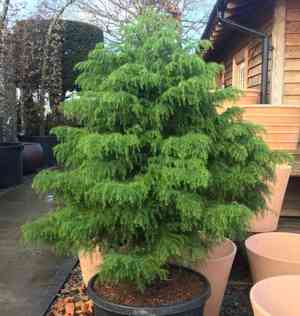
1
Hydrate your Japanese red cedar weekly, maintaining consistently damp soil without saturation.
2
Refrain from irrigating with softened or high-saline water, as this can harm the root system of the Japanese red cedar.
3
During periods of intense heat and aridity, escalate watering frequency to support your tree's well-being.
Grasping the Hydration Requirements of Japanese red cedar
The Crucial Role of Adequate Moisture
Sufficient moisture is vital for the Japanese red cedar, directly influencing its vitality and development. Maintaining appropriate water levels helps the tree absorb essential soil nutrients, fosters strong growth, and boosts its natural defense against pests and diseases. Both excessive and insufficient watering can cause stress, leaving the tree susceptible to various problems.
Indicators of Over-watering and Under-watering
Recognizing the symptoms of over-watering and under-watering is crucial for adjusting your care routine. Too much water can lead to yellowing or drooping foliage, root decay, and a foul odor from the soil. Conversely, too little water results in dry, brittle leaves, slowed development, and sometimes needle shedding. Early observation of these signs can prevent lasting damage to your Japanese red cedar.
Optimal Strategies for Watering Japanese red cedar
Seasonal Hydration Recommendations
The Japanese red cedar's watering needs fluctuate with the seasons. During its active growth period (spring and summer), the tree demands more frequent irrigation. Conversely, in autumn and winter, when growth decelerates, reduce the watering frequency. Regardless of the season, ensure the top 5-10 cm (2-4 inches) of soil remains consistently damp.
Techniques for Efficient Irrigation
When watering your Japanese red cedar, aim for thorough saturation rather than frequent, superficial watering. This promotes deeper root establishment and helps the tree endure dry spells. Utilize a soaker hose or drip irrigation system for effective watering. Water in the early morning or late afternoon to minimize evaporation and ensure ample moisture absorption by the tree.
Modifying Watering Based on Climate Conditions
Weather significantly influences your Japanese red cedar's hydration requirements. During prolonged periods of heat and drought, increase watering frequency. Conversely, during heavy rainfall, check soil moisture levels before re-watering to prevent waterlogging. Adapting to weather ensures the tree receives optimal hydration throughout the year.
Common Errors to Avoid When Watering
Using Inappropriate Water Sources
Employing the wrong type of water can harm your Japanese red cedar. Steer clear of softened water or water with high salt content, as these can damage the root system. Opt for rainwater, distilled water, or tap water left overnight to allow chlorine to dissipate. Ensuring the correct water type will promote a healthier root system and overall tree vigor.
Disregarding Soil Composition and Drainage
The soil type and its drainage capacity significantly impact how often you should water your Japanese red cedar. Well-draining, loamy soil is ideal as it retains moisture without becoming saturated. Avoid heavy clay soils unless improved with organic matter. Ensuring proper drainage prevents root rot and other water-related issues, helping the tree flourish.
Additional Watering Advice for Young Japanese red cedar Trees
Initial Hydration Post-Planting
Newly planted Japanese red cedar trees require extra care in their first few weeks. Water deeply immediately after planting to settle the soil around the roots. Continue to water frequently but ensure the soil is not overly soggy. Establishing a regular watering schedule during this phase is crucial for the tree’s adaptation and long-term health.
Monitoring Development and Adjusting Watering Accordingly
As your Japanese red cedar tree matures, its water needs will evolve. Regularly monitor the tree's growth and vitality. If the tree appears healthy and vigorous, your watering practices are likely appropriate. However, any signs of stress or unusual growth might indicate a need to modify your watering regimen. Consistent checks ensure your tree maintains optimal hydration as it grows.



