How Often Should You Water Your Common turmeric?
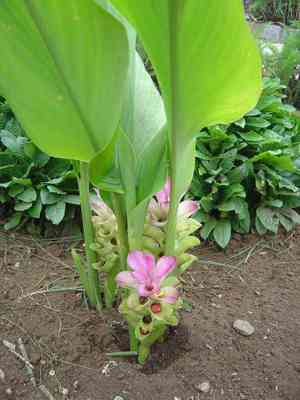
1
Provide water to your Common turmeric approximately weekly for peak vitality.
2
Allow the upper 5-7 cm (2-3 inches) of soil to become dry between irrigation sessions to avoid root decay.
3
Modify your watering routine according to seasonal shiftsâless during colder periods, more in warmer months.
Grasping the Hydration Needs of Common turmeric
The Specific Moisture Requirements of Common turmeric
When tending to your Common turmeric, comprehending its particular water demands is vital. This tropical plant flourishes in moist environments and prefers consistently damp soil. However, achieving equilibrium is keyâexcessive water can lead to root decay, while insufficient water can cause the plant to wilt and perish. Typically, irrigating your Common turmeric once weekly is a good routine, but you must always consider the plant's individual necessities.
Elements Influencing Watering Frequency
Several aspects can impact how often you need to hydrate your Common turmeric. These include the plant's dimensions, the soil type it's potted in, the ambient temperature and humidity, and its developmental stage. During warmer periods, your plant might require more frequent watering due to increased evaporation. Conversely, in cooler months, irrigation frequency can be reduced. Always observe the plantâs state and modify your watering regimen accordingly.
Optimal Practices for Hydrating Common turmeric
How to Ascertain if Common turmeric Requires Water
The most effective way to determine if your Common turmeric needs hydration is by assessing the soil's dampness. Insert your finger approximately 5-7 cm (2-3 inches) into the soil; if it feels arid at that depth, it's time to water. Another approach is to utilize a moisture meter, an affordable device that provides a numerical reading of your soilâs moisture level. Always ensure the top layer of the soil has dried before the subsequent watering to prevent waterlogging.
Methods for Efficient Watering
Effective watering techniques can significantly impact the vitality of your Common turmeric. Always irrigate the plant at its base, ensuring water reaches the roots directly. Avoid spraying water on the foliage, as this can foster fungal diseases. Use room temperature water and water thoroughly, allowing surplus water to drain from the pot's bottom. This method guarantees the entire root system receives adequate hydration.
Seasonal Watering Adjustments
As seasons shift, so should your watering schedule for Common turmeric. During the active growth period, typically spring and summer, the plant will demand more frequent watering due to higher temperatures and accelerated growth. In contrast, during autumn and winter, decrease watering frequency as the plantâs growth slows and less water is needed. Adapting to these seasonal changes is crucial for maintaining the plantâs overall health and vigor.
Common Watering Errors to Avoid with Common turmeric
Excessive Watering and Its Repercussions
One of the most frequent errors when watering Common turmeric is overwatering. This can lead to saturated soil, which suffocates the roots and can cause root rot. Symptoms of overwatering include yellowing leaves, a soft stem, and an unpleasant smell emanating from the soil. To prevent this, ensure the pot has drainage holes and that the soil is allowed to dry slightly between waterings.
Symptoms of Insufficient Watering
Conversely, underwatering your Common turmeric can be equally detrimental. Indicators of underwatering include drooping foliage, dry and brittle leaves, and a general lack of vitality. The plant may also exhibit stunted development if it consistently receives too little water. To avoid underwatering, maintain a consistent watering schedule and always check the soil's moisture level.
Frequently Asked Questions Regarding Watering Common turmeric
How does soil composition influence watering?
Soil composition plays a vital role in how often you need to hydrate your Common turmeric. Well-draining soil mixtures are ideal as they prevent water from pooling and causing root decay. Sandy or loamy soils are generally preferred because they allow excess water to drain away more readily. However, if you are using clay-heavy soil, exercise caution as it retains moisture for longer durations, which might necessitate less frequent watering.
Can climatic conditions alter my watering regimen?
Absolutely, climatic conditions can significantly affect your watering schedule for Common turmeric. In hot and arid weather, the plant will require more frequent watering due to accelerated evaporation and transpiration rates. Conversely, during rainy or humid conditions, you may need to irrigate less often. It's always best to monitor both the weather forecast and the moisture level of your soil to make informed watering decisions.



