How Often Should You Water Your Winter daphne?
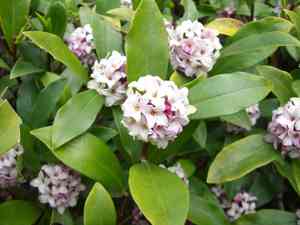
1
It's typically advised to irrigate Winter daphne weekly, though this schedule may shift with the seasons.
2
Employing a soil moisture sensor can assist in pinpointing the precise moment to water your Winter daphne.
3
Applying a layer of mulch around your Winter daphne's base can greatly enhance its capacity to hold moisture and bolster soil vitality.
Understanding the Specific Hydration Requirements of Winter daphne
Recognizing Indicators of Adequate Moisture
To maintain a thriving Winter daphne, it's essential to identify the signs of proper hydration. Look for foliage that is vibrant and firm, along with strong, erect stems. The growing medium should be damp but not waterlogged, ensuring roots receive sufficient moisture without being suffocated. A gentle touch to the soil surface should reveal a slight dampness, indicating optimal water absorption for healthy development and flowering.
Typical Symptoms of Excessive and Insufficient Watering
Both overwatering and underwatering are frequent problems that can negatively impact your Winter daphne. Indicators of overwatering include yellowed leaves, a soft stem base, and a stale or sour aroma from the soil, suggesting root decay. Conversely, insufficient watering usually manifests as dry, brittle leaves and a noticeable drooping of the plant. The soil will appear parched and crumbly if inadequate water is provided. Observing these cues can assist in effective adjustment of your irrigation regimen.
Optimal Practices for Irrigating Winter daphne
Watering Frequency Throughout the Year
Winter daphne typically requires watering on a weekly basis. However, this frequency can fluctuate based on the season and the plant's environment. During its active growth phase, more frequent watering might be necessary, particularly with higher temperatures and increased evaporation rates. Conversely, during the dormant winter period, decrease watering to prevent the soil from becoming saturated. Always adapt your watering routine to match the plant's seasonal demands and climatic conditions.
Seasonal Impact on Irrigation Schedule
Seasonal shifts significantly influence your Winter daphne's watering requirements. In spring and summer, as the plant actively grows and blooms, it may need more frequent irrigation due to increased water uptake and evaporation. In contrast, during autumn and winter, the plant's growth slows, and its water needs diminish. Ensure the soil remains slightly damp, but avoid waterlogging during these cooler months. Adjusting your watering schedule seasonally helps ensure the plant's year-round vitality.
Methods to Ensure Ideal Hydration
Effective Use of Soil Moisture Sensors
One of the most effective tools for ensuring your Winter daphne is adequately hydrated is a soil moisture meter. This device gauges the soil's moisture level, helping you determine the opportune moment for watering. Insert the meter into the soil roughly halfway between the stem and the pot's edge (or the plant's base if in the ground). If the meter indicates dryness, it's time to irrigate. Regular use of a moisture meter can prevent both insufficient and excessive watering by providing precise moisture readings.
Mulching: A Crucial Strategy for Retaining Moisture
Applying mulch around your Winter daphne is another excellent method for maintaining optimal soil moisture. Spreading a 5-7 cm (2-3 inch) layer of organic mulch, such as bark chips or compost, helps preserve moisture, stabilizes soil temperature, and minimizes evaporation. Mulch also aids in suppressing weed growth, which can compete with your plant for water. Ensure the mulch is positioned around the plant's base but not in direct contact with the stems, as this can lead to rot.
Addressing Common Watering Challenges with Winter daphne
Resolving Yellow Foliage
Yellowing leaves on a Winter daphne can signal several issues, most often overwatering or nutritional deficiencies. If the foliage is yellow and the soil consistently wet, reduce your watering frequency and confirm proper drainage. Conversely, if the soil is dry and only the lower leaves are yellowing, your plant might need more water, indicating an underwatering problem. Promptly addressing these issues can aid in restoring the plant's health and preventing further damage.
Managing Root Decay from Excessive Irrigation
Root rot is a severe condition stemming from overwatering and poor drainage. If your Winter daphne exhibits signs of root rot, such as a soft stem base and unpleasant-smelling soil, immediate intervention is necessary. Remove the plant from its container and trim away any affected roots. Repot using fresh, well-draining potting mix and a container with adequate drainage holes. Adjust your watering regimen to allow the soil to dry out slightly between waterings, and consider utilizing a soil moisture meter to prevent future occurrences.



