How Often Should You Water Your Chinese pink?
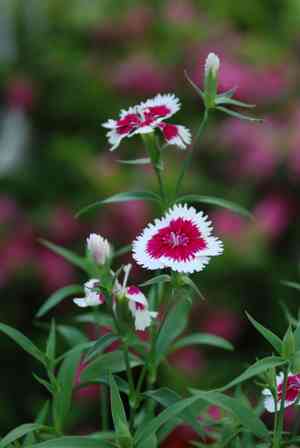
1
Hydrate Chinese pink weekly during its active growth period to achieve optimal outcomes.
2
Confirm the substrate drains efficiently to prevent saturation and root decay.
3
Modify irrigation frequency according to seasonal shifts, increasing it in warmer months and reducing it in colder months.
Understanding the Fundamental Hydration Requirements of Chinese Pink
Optimal Moisture Conditions for Peak Development
For Chinese pink, ideal hydration conditions are paramount, directly influencing its vibrant blossoms and abundant foliage. This species thrives in well-drained substrate, which prevents water from accumulating around the root system. A general guideline is to irrigate once weekly, ensuring the soil remains damp but not saturated. Regularity is vital; maintaining a consistent watering regimen will foster stable development and a robust flowering cycle.
Indicators of Excessive or Insufficient Watering
It is critical to observe your Chinese pink for signs of either too much or too little water. Over-irrigated plants may display yellowed leaves, soft stems, and a general droopy appearance due to root decay. Conversely, under-hydrated plants will exhibit dry, brittle leaves and stunted development. Adjust your watering frequency based on these visual cues, ensuring the substrate is slightly moist but not overly soaked.
Seasonal Hydration Adjustments for Chinese Pink
Modifying Irrigation Frequency in Warm vs. Cold Seasons
Seasonal shifts significantly affect how often you should water your Chinese pink. During warmer months, the plant's accelerated growth rate and higher temperatures necessitate more frequent irrigation—potentially twice weekly, depending on the heat and soil condition. In contrast, winter's cooler temperatures slow down the plant’s growth, reducing its water demand to about once every two weeks. Always check the substrate moisture before hydrating during these periods of reduced activity.
The Impact of Precipitation on Your Watering Plan
Natural rainfall is a significant factor in determining your watering schedule for Chinese pink. During wet periods or rain spells, modify your irrigation frequency to avoid over-saturation. Ensure the plant’s container or garden plot has proper drainage, allowing surplus water to exit easily. By monitoring rainfall and soil moisture levels, you can adapt your watering routine to suit atmospheric conditions, preventing issues related to both over and under-hydration.
Practical Guidance for Watering Chinese Pink
Selecting the Appropriate Watering Implements
The instruments you employ for watering Chinese pink can greatly influence the plant's vitality. A watering can with a slender spout enables precise water delivery directly to the soil, preventing liquid from splashing onto the leaves, which can foster fungal problems. Drip irrigation systems are also effective, providing a slow, continuous supply of water straight to the roots.
Assessing Soil Dampness
Regularly assessing the soil moisture level of your Chinese pink is indispensable. Utilize a moisture meter for an accurate reading or simply insert your finger into the top 2-3 cm (1 inch) of soil. It should feel moist but not waterlogged. This practice aids in making informed decisions about when to irrigate, averting both over-saturation and dehydration.
Establishing an Irrigation Regimen
Implementing a consistent watering schedule is advantageous for Chinese pink. Aim to hydrate once weekly during the active growth period, adjusting based on weather patterns and seasonal variations. Create reminders or employ a gardening log to keep track of your watering routine. Such methods help guarantee that your plant receives consistent and adequate moisture, promoting vigorous growth and abundant blooms.



