How Often Should You Water Your Flame violet?
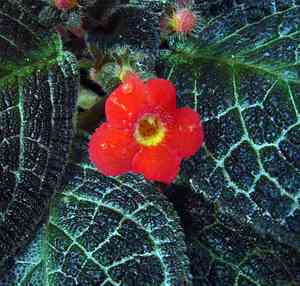
1
Flame violet flourishes with once-a-week irrigation, though modify according to seasonal changes.
2
Employ a humidity sensor to precisely measure substrate dampness and prevent excessive watering.
3
Hydrate in the A.M. so the plant can take in water and prevent fungal problems.
Grasping the Hydration Requirements of Flame Violet
The Significance of Adequate Moisture
Appropriate hydration is vital for the Flame violet. This tropical specimen, celebrated for its lush foliage and vivid blooms, depends on a consistent watering regimen to flourish. It's crucial to understand that while this plant appreciates moisture, it cannot endure saturated soil. Mastering the balance of these needs is key to maintaining a thriving Flame violet.
Indicators of Insufficient and Excessive Watering
Identifying the symptoms of under- and overwatering can help you modify your care routine. An insufficiently watered Flame violet may display dry, brittle leaves and stunted development, whereas excessive watering can lead to yellowing foliage, root decay, and fungal problems. Regular observation of the plant's appearance and soil dampness can guide you in providing the correct amount of water.
Optimal Practices for Irrigating Your Flame Violet
Determining the Correct Watering Schedule
Establishing the appropriate watering schedule for your Flame violet involves understanding its natural cycle and environmental factors. During its active growth phase, a weekly watering routine is generally advised. However, always assess the soil's moisture level beforehand. Insert your finger approximately 2-3 centimeters (1 inch) into the soil; if it feels dry, it's time to water.
Seasonal Adjustments in Irrigation
As temperatures and humidity levels change with the seasons, your Flame violet's watering demands will shift. In warmer, drier months, you might need to slightly increase frequency; conversely, during cooler periods, reduce watering to prevent root rot. Observing and adapting to seasonal variations ensures your plant remains healthy throughout the year.
Implements and Methods for Effective Hydration
Selecting the Appropriate Watering Tools
Choosing the right implements can make hydrating your Flame violet more efficient and pleasant. A watering can with a slender spout allows for precise application at the plant's base, which helps prevent wetting the leaves and reduces the risk of fungal infections. Additionally, a moisture meter can be an invaluable device to prevent over- and underwatering by providing a clear reading of soil moisture levels.
Watering Techniques for Optimal Dampness
The method you employ when watering also plays a significant role in plant health. Pour water slowly into the soil until it begins to seep from the drainage holes. This ensures thorough watering and promotes robust root development. It's best to water in the morning, as this allows the plant to absorb moisture throughout the day and minimizes the risk of fungal growth.
Addressing Common Watering Issues
Managing Saturated Soil
Saturated soil can be detrimental to your Flame violet. If you notice the soil is consistently wet or emits an unpleasant odor, it's crucial to take immediate action. Repot the plant with fresh, well-draining soil. Utilizing a pot with drainage holes and adding a layer of gravel at the bottom can help prevent future waterlogging.
How to Revive an Overwatered Flame Violet
If your Flame violet exhibits signs of overwatering, such as wilting or yellowing leaves, act swiftly to save the plant. First, decrease watering frequency and consider repotting it in drier soil. Trim any damaged roots and refrain from fertilizing until the plant shows signs of recovery. Adequate air circulation and a stable temperature can also assist in the revival process.



