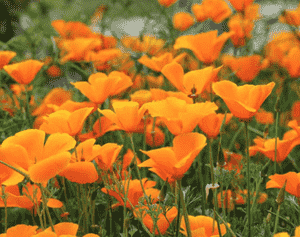
How Often Should You Water Your California poppy?
1
Provide water to your California poppy bi-weekly for peak development.
2
Allow the soil to become somewhat arid between irrigation sessions to avert root decay.
3
Modify how often you water depending on the time of year – increase in warmer months, decrease in colder months.
Deciphering the Hydration Needs of California poppy
Optimal Soil Moisture for California poppy
The California poppy, with its vibrant and delicate blossoms, flourishes best in soil that maintains an appropriate moisture balance. This plant prefers well-drained substrate that is somewhat dry between irrigation cycles. It is critical to prevent persistently saturated soil, which can cause root rot and other ailments. Aim for soil that is damp but not waterlogged; you can verify this by inserting your finger approximately 2-3 centimeters (1 inch) into the soil – if it feels arid at that depth, it's time to irrigate.
Seasonal Hydration Requirements
The California poppy's water demands can fluctuate with the changing seasons. During the warm summer months, the plant may require more frequent irrigation to compensate for elevated evaporation rates. Conversely, during the cooler winter months, the watering frequency can be reduced. This seasonal adjustment helps replicate the natural conditions of its native Californian habitat. Monitoring the weather and adapting your watering schedule accordingly will ensure your California poppy remains robust all year.
Best Practices for Irrigating California poppy
Efficient Watering Techniques for California poppy
Efficiently watering your California poppy involves directing moisture precisely to the plant's base, guaranteeing the roots receive adequate hydration. Early morning is the perfect time for watering, as it allows the foliage to dry before the day's heat, diminishing the risk of fungal infections. Employing a drip irrigation system or a soaker hose can help deliver a slow and consistent water supply, preventing runoff and maximizing each watering session.
Common Watering Errors to Avoid
A frequent mistake when hydrating California poppy is excessive watering. This can lead to root rot and other fungal problems, which are detrimental to the plant's vitality. Additionally, avoid wetting the foliage, as moist leaves can become a breeding ground for diseases. Always ensure the soil dries out slightly between waterings, and refrain from using forceful sprays that can erode soil and harm the delicate roots.
Monitoring Your California poppy for Hydration Success
Key Indicators of Under-Hydration
Recognizing the signs of insufficient watering can help you adjust your care routine promptly. California poppy plants that are not receiving enough moisture will exhibit wilting or drooping leaves, especially during the hottest part of the day. Furthermore, the soil will appear parched and may begin to pull away from the pot's edges. If you observe these symptoms, it's crucial to increase your watering frequency and ensure the plant gets adequate hydration.
Symptoms of Over-Hydration
Excessive watering is another prevalent issue that California poppy owners need to be cautious of. Symptoms of over-watering include yellowing foliage, a soggy or consistently wet soil surface, and the presence of mold or mildew. If your California poppy displays any of these signs, it's important to reduce watering and allow the soil to dry out thoroughly before the next irrigation. Improving drainage by incorporating sand or gravel into the soil mix can also help prevent over-watering problems.



