How Often Should You Water Your Crown of thorns?
1
Hydrate your Crown of thorns bi-weekly to maintain its vitality while preventing oversaturation.
2
Utilize water at ambient temperature to prevent root shock, and always assess soil dampness prior to irrigation.
3
Prevent your Crown of thorns from remaining in standing water; proper soil drainage is essential for its well-being.
Deciphering the Hydration Needs of Crown of Thorns
Elements Affecting Water Demands
The Crown of Thorns is a distinct plant with particular water requirements influenced by multiple factors. Primarily, its native environment – arid, dry regions – means it has adapted to infrequent irrigation. The dimensions of your plant and its container also impact how frequently it needs water. Larger plants require more moisture, yet if housed in smaller pots, they can desiccate quicker. Furthermore, your home's temperature and humidity play a role. Dry air might necessitate more frequent watering, whereas a cool, moist setting could mean less irrigation is needed.
Seasonal Shifts in Watering Practices
Seasons significantly influence the watering routine for your Crown of Thorns. During its active growth period (spring and summer), the plant's demand for water increases due to rapid development. Conversely, in its dormant phase (fall and winter), its moisture needs decrease. It is crucial to modify your watering regimen to accommodate these seasonal changes. In winter months, you might only need to water once monthly, while in summer, adhering to the suggested bi-weekly schedule is typically adequate.
Proper Watering Techniques for Crown of Thorns
Selecting the Appropriate Watering Method
Watering your Crown of Thorns correctly is vital for its overall well-being. The optimal approach is to water thoroughly but sparingly. This encourages roots to extend downwards, seeking moisture, which enhances the plant's drought resistance. Pour water directly onto the substrate until it drains from the pot's base. Ensure the container has adequate drainage holes to prevent water accumulation. Using ambient-temperature water can help avert root shock, maintaining your Crown of Thorns' health.
Indicators of Sufficient Hydration
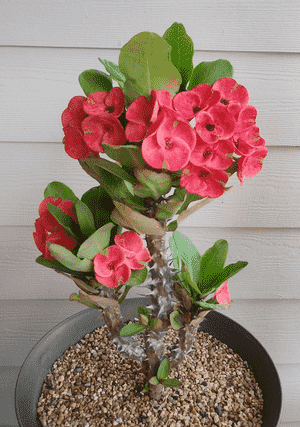
A well-hydrated Crown of Thorns will display several clear indicators: its foliage should be firm and vivid without any signs of wilting or discoloration. The plant will also produce new growth during its active period. If the leaves begin to appear shriveled or the plant starts to sag, it may suggest the plant requires water. Conversely, if leaves turn yellow and detach, you might be providing excessive water.
Common Errors to Avoid
One of the most frequent errors is overwatering. While it may seem like more water would benefit your plant, too much can lead to root rot. Underwatering, though less common, can also stress the plant, evidenced by shriveled or drooping leaves. Another common mistake is using water that is either too cold or too hot, which can shock the plant's root system. Lastly, failing to ensure proper drainage can cause water to collect around the roots, fostering fungal diseases.
Achieving Ideal Moisture Levels
Assessing Soil Moisture Prior to Irrigation
Before watering, always check the soil's moisture level. Insert your finger approximately 2.5 cm (one inch) into the potting mix. If it feels dry, it's time to water. For a more precise measurement, consider using a moisture meter. Integrating this practice with your bi-weekly watering plan will help you achieve the correct balance.
Adjusting Watering Frequency Based on Plant Vitality
Your Crown of Thorns may necessitate minor adjustments to the suggested watering schedule based on its general health and specific growing conditions. Observe the plant closely; if it shows signs of insufficient or excessive watering, modify the frequency accordingly. Each plant may have unique requirements depending on its environment, so remain adaptable and attentive.
Frequently Asked Questions on Crown of Thorns Watering
Can Excessive Watering Harm My Plant?
Yes, overwatering is a primary contributor to root rot in Crown of Thorns. Surplus water creates an oxygen-deprived environment, which is ideal for pathogens that cause root ailments. Always ensure that the soil thoroughly dries out between watering sessions to prevent this issue.
How Do I Identify an Underwatered Plant?
An underwatered Crown of Thorns typically displays symptoms such as wrinkled leaves, drooping, and restricted growth. Additionally, the soil may pull away from the container's edges, indicating excessive dryness. Consistently checking soil moisture and observing these visual cues will help you prevent underwatering.



