How Often Should You Water Your Leopard plant?
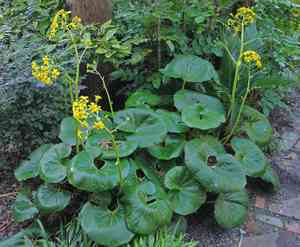
1
Watering schedule: Typically, the Leopard plant benefits from weekly irrigation. Nevertheless, modifications might be necessary depending on ambient temperature and internal environment.
2
Administer water at room temperature to avoid stressing the plant's root system. Chilly water may induce root shock, whereas excessively warm water could encourage fungal development.
3
Optimal humidity for the Leopard plant is approximately 40-60%. Elevating moisture in the air during arid winter periods can enhance the plant's vitality and lessen the necessity for frequent watering.
Grasping the Hydration Requirements of Leopard Plant
What Makes Leopard Plant's Water Needs Distinct?
The Leopard plant, identified by its lustrous green leaves adorned with striking yellow specks, is an adaptable species that flourishes in damp environments. Native to Japan's coastal zones, this botanical specimen enjoys consistent moisture but dislikes submerged roots. Its particular need is to maintain steady dampness without excessive saturation.
Indicators of Insufficient and Excessive Watering
Recognizing the symptoms of both insufficient and excessive watering is vital for your Leopard plant's vitality. If not watered enough, you'll observe sagging foliage, brown leaf edges, and retarded development. Conversely, over-watering can result in yellowed leaves, a soft stem base, and root decay. Achieving the correct moisture equilibrium helps avert these problems.
Optimal Practices for Hydrating Leopard Plant
When and How Frequently to Water?
For prime development, it's advisable to irrigate your Leopard plant weekly. However, the interval may differ based on ambient conditions. Ideally, inspect the soil's moisture level; it should remain consistently damp but not waterlogged. A practical method to assess this is to push your finger approximately 2.5 cm (1 inch) into the soil. If it feels dry, it's time to water.
The Correct Method for Watering: Techniques and Pointers
Properly watering the Leopard plant is as critical as the frequency. Utilize a watering can with a slender spout to regulate the flow and prevent excessive water from splashing onto the leaves. Drench the plant's base thoroughly until water starts to exit from the bottom, ensuring uniform distribution and preventing water accumulation. Additionally, misting the foliage can aid in preserving humidity levels around the plant.
Selecting the Best Water and Tools for Leopard Plant
Water Types: What's Optimal for Your Plant?
The kind of water you use for your Leopard plant can significantly affect its well-being. Rainwater or distilled water is perfect as it's devoid of detrimental chemicals present in tap water, such as chlorine and fluoride, which can build up and harm your plant over time. If tap water is necessary, let it sit out overnight to allow these chemicals to dissipate.
Essential Irrigation Tools and Supplies
Possessing the appropriate tools can make hydrating your Leopard plant efficient and effective. A watering can featuring a long, narrow spout is invaluable for controlling water flow. Moreover, moisture meters can assist you in precisely gauging soil moisture levels, ensuring your plant receives the exact amount of water. Self-watering planters are also a wise investment, providing steady moisture without the danger of over-watering.
Seasonal Watering Adjustments for Leopard Plant
Modifying Watering Schedules from Warm to Cold Seasons
Seasonal shifts necessitate alterations in watering routines for your Leopard plant. During the summer, the plant demands more frequent watering due to elevated evaporation rates. In contrast, winter calls for diminished watering as the plant's growth slows and indoor air becomes drier. Always monitor soil moisture and adapt accordingly.
Addressing Humidity and Temperature Fluctuations
Humidity and temperature changes can impact the watering requirements of your Leopard plant. In arid winter months, indoor heating can reduce humidity, requiring more frequent misting or the use of a humidifier. Alternatively, during hot, humid summers, ensure good air circulation to avert fungal diseases while adjusting your watering frequency as necessary.
Resolving Common Watering Issues
How to Correct an Over-Watered Leopard Plant
If your Leopard plant has been given too much water, act swiftly to rectify the situation. Extract the plant from its container and examine the roots; prune any that are decayed. Substitute the old soil with a fresh, well-draining potting mixture, and position the plant in a pot with drainage openings. Water sparingly until the plant shows indications of recuperation.
Reviving a Dehydrated Leopard Plant
Bringing an under-watered Leopard plant back to health involves rehydrating it carefully. Begin by immersing the plant's base in a tray of water for approximately 15-20 minutes to allow the soil to absorb moisture from the bottom. Gradually resume a regular watering regimen, ensuring the soil remains consistently damp. Mist the leaves to elevate humidity and encourage revival.



