How Often Should You Water Your Carolina jasmine?
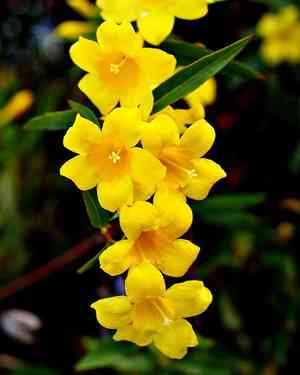
1
Provide moisture to your Carolina jasmine bi-weekly for robust development.
2
Opt for collected rain or purified water to bypass detrimental substances in municipal water.
3
Place a layer of organic material at the plant's base to conserve hydration and lessen water loss.
Grasping the Hydration Requirements of Carolina Jasmine
Optimal Irrigation Schedule for Robust Development
Regarding watering your Carolina jasmine, regularity is paramount. This lovely climber flourishes best with irrigation twice weekly. This consistent watering regimen helps maintain the soil moisture levels favored by Carolina jasmine, providing the plant with the hydration needed to produce its striking yellow blossoms. Ensure the soil drains well to prevent water accumulation and root decay.
Indicators of Excessive and Insufficient Watering
Recognizing the signs of overwatering and underwatering is crucial for maintaining a healthy Carolina jasmine. Excessive watering can result in yellowing foliage, moldy substrate, and root rot. Conversely, insufficient watering will cause leaves to wilt, dry out, and eventually drop. Closely observing these symptoms can help you adjust your watering habits to better suit your plant's needs.
Seasonal Adjustments to Irrigation Frequency
Your Carolina jasmine's water demands will fluctuate with the seasons. During warmer summer months, you might need to water more often due to increased evaporation and the plant's higher water requirements. Conversely, in the cooler periods of autumn and winter, reducing irrigation frequency could help avert waterlogging and root decay. Monitoring the plant and weather closely aids in making appropriate adjustments.
Effective Watering Techniques for Carolina Jasmine
Selecting the Appropriate Water Source
The quality of water you use significantly impacts your Carolina jasmine's health. Rainwater or distilled water is ideal as they lack the detrimental chemicals often found in tap water, such as chlorine and fluoride. These substances can build up in the soil and negatively affect the plant's growth.
Best Practices for Watering Methodology
Efficient watering involves more than just frequency; it also concerns technique. Water the Carolina jasmine at its base, ensuring the water reaches the root zone. Avoid wetting the leaves, as this can encourage fungal diseases. Watering in the early morning allows moisture to penetrate the soil before the day's heat increases evaporation.
Utilizing Mulch for Moisture Retention
Applying mulch around your Carolina jasmine's base can significantly aid in retaining soil moisture. A layer of organic mulch, such as shredded bark or compost, conserves water by reducing evaporation, regulating soil temperature, and suppressing weeds. A 5-7.5 cm (2-3 inch) thick layer is optimal for most conditions.
Resolving Common Watering Problems
Addressing Saturated Soil Conditions
Saturated soil can be harmful to Carolina jasmine, frequently leading to root rot. To counteract this, ensure you're using well-draining soil and that the container or garden bed has adequate drainage. If your soil tends to hold too much moisture, consider amending it with sand or perlite to enhance aeration and drainage.
Managing Drought Stress in Carolina Jasmine
Drought stress manifests as wilting, browning leaf edges, and stunted development. If your Carolina jasmine exhibits signs of drought stress, gradually increase watering frequency, ensuring deep irrigation to promote root growth. Avoid shocking the plant with sudden heavy watering, which can further stress it.
Advice for Checking Soil Moisture Levels
Regularly checking soil moisture can prevent both overwatering and underwatering. A simple method is to insert your finger about 2.5 cm (1 inch) into the soil; if it feels dry at this depth, it's time to water. Alternatively, use a moisture meter for more precise readings. This helps maintain the correct balance for your Carolina jasmine.



