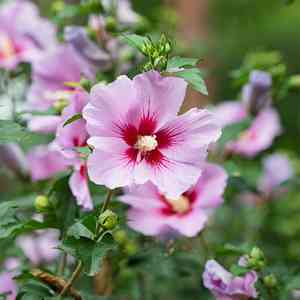
How Often Should You Water Your Rose of sharon?
1
Rose of sharon flourishes with bi-weekly irrigation during its active growth phase, though always verify soil dampness prior to additional watering.
2
The optimal period for hydrating plants, including Rose of sharon, is in the morning, enabling the soil to absorb moisture before daily temperatures rise.
3
Employing a soaker hose or drip system offers a milder, more effective watering method, stopping water accumulation and averting root decay.
Grasping the Hydration Needs of Rose of Sharon
Seasonal Irrigation Adjustments
The Rose of Sharon, a robust and appealing deciduous shrub, necessitates varied watering schedules throughout the year. During its active growth phase, from late spring to early autumn, this plant thrives with consistent watering, roughly twice weekly. This supports its lush leaves and vivid blossoms. However, in colder months, as the plant enters dormancy, its water requirements significantly decrease. Excessive watering then can cause root rot, so allowing the soil to dry more between waterings is crucial. Always consider seasonal shifts to maintain your Rose of Sharon's health year-round.
Indicators of Excessive and Insufficient Watering
Careful observation of your Rose of Sharon will help you fine-tune its watering regimen. Overwatering is a common issue, often appearing as yellowed leaves, a droopy look, or root rotâwhere roots become dark and soft. Conversely, underwatering is shown by brown leaf edges, sagging stems, and a generally parched, lifeless appearance. Consistent monitoring of these signs helps achieve the right balance and adjust irrigation as needed.
Optimal Watering Practices for Rose of Sharon
Ideal Watering Times Daily
Scheduling your watering sessions is vital for your Rose of Sharon's well-being. The best time to water is early morning, ideally before 10 a.m. This timing allows the plant ample opportunity to absorb moisture before the day's heat causes rapid evaporation. Evening watering is not recommended as it leaves the plant damp overnight, increasing susceptibility to fungal diseases. Establishing a morning routine enhances the plant's absorption efficiency, contributing to its vitality and health.
Selecting Appropriate Watering Tools and Methods
Effective watering involves choosing the correct tools and applying suitable techniques. For Rose of Sharon, using a soaker hose or a drip irrigation system is highly advised. These tools enable slow, deep watering that saturates the root zone without runoff or waterlogging the soil. Avoid overhead sprinklers as they tend to wet the foliage rather than the soil, encouraging fungal issues. Directing water to the plant's base ensures roots receive necessary hydration while keeping leaves dry and disease-free.
Modifying Your Rose of Sharon Watering Schedule
Considering Soil Type and Environmental Factors
The soil composition and environmental conditions in your garden greatly influence your watering routine. Rose of Sharon flourishes in well-draining soil. Sandy soils may demand more frequent watering due to quick drainage, while clay soils retain moisture longer and require less frequent irrigation. Additionally, in hotter and windier climates, soil dries out faster, necessitating more regular watering. Always adapt your watering practices to match your specific soil type and environmental conditions to keep your Rose of Sharon optimally healthy.
Monitoring Plant Health Responses
Your Rose of Sharon will often communicate its water needs through subtle cues about its overall health. Healthy, vibrant leaves and abundant blooms indicate proper watering. Conversely, any signs of stress like wilting, leaf drop, or discolored foliage suggest an adjustment might be necessary. Regular observation and responsiveness to your plant's appearance ensure you can effectively fine-tune your watering schedule, maintaining a balance that supports its growth.



