How Often Should You Water Your Chameleon plant?
1
To achieve the best growth, irrigate your Chameleon plant bi-weekly, though always modify based on the soil's dampness.
2
In periods of high heat and dryness, water more often, yet confirm the soil isn't saturated.
3
Excessive watering can be as harmful as insufficient watering; routinely monitor soil moisture.
Understanding the Hydration Requirements of Chameleon plant
The Importance of Water for Chameleon plant Vitality
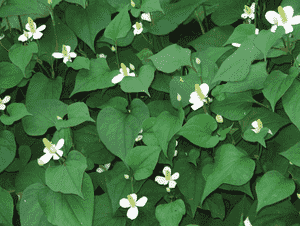
Water is a critical element for the well-being of the Chameleon plant. This distinctive, decorative plant, recognized for its vivid, heart-shaped foliage that changes hues, relies on a steady supply of moisture to flourish. Sufficient irrigation ensures the plant's metabolic functions operate optimally, aiding nutrient absorption and photosynthesis. Without adequate water, the Chameleon plant may suffer from inhibited growth, discolored leaves, and increased susceptibility to pests and diseases.
Indicators of Adequate Hydration
Evidence that your Chameleon plant is properly hydrated includes firm, vibrant leaves with a healthy luster. The plant should display consistent growth, and the substrate should feel uniformly moist but not waterlogged. Observe the plant during early morning or late evening to assess leaf turgidity; leaves should be plump and not drooping. If the soil retains moisture yet drains effectively, and the plant appears robust without yellowing or browning foliage, these are clear signs of proper hydration.
Determining the Optimal Watering Schedule
Elements Influencing Water Demands
Several aspects impact the watering frequency for your Chameleon plant. These encompass the plant's dimensions, soil composition, container size, ambient humidity, and temperature. For instance, a larger plant in a smaller pot will necessitate more frequent irrigation. Well-draining soil mixes temporarily hold moisture while allowing excess water to escape, thereby preventing root rot. In high humidity, the plant may retain moisture longer, decreasing the required watering frequency. Conversely, elevated temperatures boost the plant's water uptake, demanding more frequent watering.
Seasonal Adjustments in Irrigation
Seasonal shifts significantly affect watering requirements. During spring and summer, when the plant is actively developing, you should water more often to support its growth. In these warmer months, you might need to increase watering to as much as three times per week, especially during hot, dry periods. Conversely, in fall and winter, when the plant's growth slows, reduce the frequency. The soil should still feel damp but avoid letting it completely dry out. Adjusting watering habits seasonally ensures the Chameleon plant remains vibrant throughout the year.
Optimal Practices for Watering Chameleon plant
Selecting the Appropriate Watering Tools and Methods
Utilizing the correct watering implements can make a substantial difference. Choose a watering can with a narrow spout that directs water to the plant's base, preventing foliage from becoming too wet, which can lead to mold and mildew. Drip irrigation systems are excellent for maintaining consistently moist soil. Always water in the morning to allow time for absorption and minimize the risk of fungal development. Ensure a deep watering technique, allowing water to penetrate at least 15 cm (6 inches) into the soil, fostering robust root development.
Avoiding Common Watering Errors
Frequent mistakes include excessive watering, insufficient watering, and watering at unsuitable times. Overwatering can result in root rot, indicated by yellowing leaves and a soft stem base. Underwatering leads to wilted, brittle leaves, and stunted growth. To prevent these, regularly check soil moisture levels. Avoid watering during peak sunlight hours, as rapid water evaporation can stress the plant. Removing standing water from saucers prevents prolonged root submersion, averting root damage.
Monitoring Soil Moisture Levels
Soil moisture meters are excellent instruments for gauging the appropriate watering time. Insert the meter into the soil near the plant roots; a reading between 4 and 6 typically indicates optimal moisture for Chameleon plant. Alternatively, assess soil moisture using your finger; if the top 2-3 cm (1 inch) of soil feels dry, it's time to water. Consistent soil moisture checks help prevent both overwatering and underwatering, maintaining a healthy root environment.
Resolving Watering Issues with Chameleon plant
Identifying and Correcting Overwatering
Signs of overwatering include yellowing foliage, a soggy stem, and a musty odor from the soil. To remedy overwatering, first decrease the watering frequency. Ensure the pot has adequate drainage holes and consider repotting the plant in well-draining soil. Allowing the soil to dry out somewhat before the next watering can help revive an overwatered plant. Removing severely damaged leaves and stems assists in the recovery process.
Addressing Underwatering
Indicators of underwatering include wilted, dry leaves, and slow growth. To resolve this, increase the watering frequency and ensure sufficient water reaches the roots. In severe cases, submerge the pot in a container of water for 15-20 minutes to thoroughly hydrate the soil. Additionally, applying a layer of mulch can help retain moisture in the soil. Consistently check the soil and adjust watering habits to prevent future underwatering issues.



