How Often Should You Water Your Spanish bluebell?
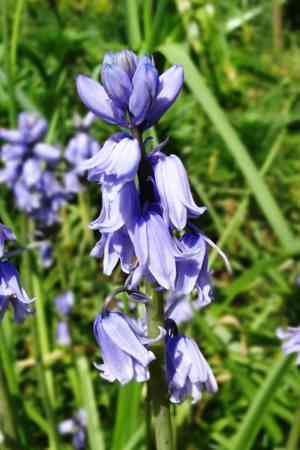
1
Spanish bluebells generally require irrigation every one to two weeks, contingent on the local weather and ground composition.
2
Applying mulch aids in preserving soil dampness and lessens the need for frequent watering.
3
Excessive watering can be equally detrimental as insufficient watering, potentially causing root decay and other problems.
Grasping the Hydration Needs of Spanish Bluebell
The Significance of Adequate Moisture
Sufficient moisture is vital for the well-being and development of your Spanish bluebell. These charming plants, recognized for their bell-shaped blossoms, flourish in adequately moistened soil. Hydration plays a crucial role in nutrient uptake, directly impacting the plant's overall vitality and flowering capacity. Consistent and appropriate watering ensures the plant conducts photosynthesis effectively, leading to vibrant and abundant flowers.
Indicators of Insufficient and Excessive Watering
Recognizing the signs of too little or too much water can help maintain the ideal equilibrium for your Spanish bluebell. Under-hydrated plants often exhibit drooping leaves, dry soil, and stunted growth. Conversely, over-hydrated plants may show yellowing foliage, a saturated soil surface, and potential root decay. Identifying these indicators early allows you to adjust your watering practices accordingly to keep your Spanish bluebell thriving.
Optimal Watering Strategies for Spanish Bluebell
When to Irrigate: Seasonal Recommendations
Watering your Spanish bluebell varies with the seasons. During the spring and summer growth periods, the plant requires more frequent irrigation, typically every 1-2 weeks, to support new development and flowering. In autumn and winter, decrease the frequency as the plant enters dormancy, watering only when the soil is dry. Pay attention to changes in rainfall and temperature to adjust your watering schedule accordingly.
How to Irrigate: Methods for Ideal Moisture
The method of watering can significantly influence the health of your Spanish bluebell. Water deeply to ensure moisture reaches the root system. Avoid wetting the leaves to prevent fungal diseases. Employing a watering can with a narrow spout or a drip irrigation system delivers water directly to the soil, minimizing waste and fostering healthy growth. Watering in the morning allows the plant to absorb moisture before the day's heat and prevents overnight dampness that can lead to diseases.
Selecting the Appropriate Water and Implements
Water Varieties: Tap Water vs. Purified Water
The kind of water utilized can impact your Spanish bluebell's health. Tap water is generally acceptable, but it may contain minerals that can accumulate in the soil over time. If using tap water, let it stand for 24 hours to allow chlorine to dissipate. Distilled water is purer and can prevent mineral buildup, but it may lack beneficial minerals that tap water provides. Consider using rainwater, which is naturally soft and free of additives, for the best results.
Beneficial Watering Tools and Devices
Investing in the correct tools can simplify and enhance the efficiency of watering your Spanish bluebell. A soaker hose or drip irrigation system ensures deep, uniform watering while conserving water. Moisture meters can help monitor soil moisture levels precisely, preventing over or under-watering. Other useful gadgets include rain gauges to track natural precipitation and timers to automate the watering schedule, especially convenient during travel.
Sustaining Soil Moisture for Spanish Bluebell
The Function of Mulching
Mulching is an excellent method to maintain soil moisture for your Spanish bluebell. Applying a layer of organic mulch, such as bark chips or compost, helps reduce evaporation, keeps the soil cool, and suppresses weeds. Mulch also contributes organic matter to the soil as it decomposes, promoting a healthy root environment. Aim for a 5-7 cm (2-3 inch) thick layer, keeping it a few centimeters away from the base of the plant to prevent rot.
Monitoring Soil Moisture Levels
Regularly checking the soil moisture levels ensures your Spanish bluebell receives the correct amount of water. Use a soil moisture meter to check moisture at the root level or simply use your finger to feel the soil about 5 cm (2 inches) below the surface. The soil should feel moist but not waterlogged. Adjust your watering habits based on these readings to maintain an optimal balance, supporting your Spanish bluebell's health and blooming potential.



