How Often Should You Water Your Panicle hydrangea?
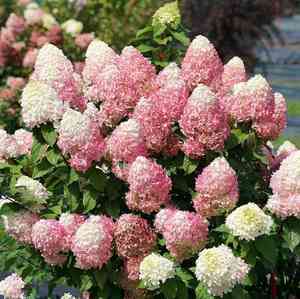
1
Provide water to your Panicle hydrangea two times weekly throughout its active growth period.
2
Assess the soil's dampness at a depth of 5 cm (2 inches) prior to irrigation.
3
Modify how often you water according to seasonal shifts and the plant's condition.
Grasping the Hydration Requirements of Panicle Hydrangea
Evaluating Soil Moisture Prior to Irrigation
Before hydrating your Panicle hydrangea, it's vital to check the soil's dampness. The soil should be moist, yet not saturated. You can assess this by inserting your finger approximately 5 cm (2 inches) into the soil. If it feels arid at this depth, it's time to irrigate. This approach prevents both insufficient and excessive watering, ensuring your plant receives the ideal amount of moisture.
Seasonal Impact on Water Demands
The volume of water your Panicle hydrangea needs can fluctuate with the seasons. During the spring and summer, the plant is actively growing and demands more frequent watering, typically twice weekly. Conversely, in autumn and winter, the plant's water requirements diminish as it enters a dormant state. Adjusting your watering routine based on seasonal shifts guarantees your plant receives appropriate care year-round.
Indicators of Insufficient and Excessive Watering
Observing for signs of under- and over-watering can help you better manage your Panicle hydrangea's hydration needs. Symptoms of underwatering include drooping leaves, parched soil, and yellowing foliage. Overwatering signs encompass yellowing leaves, moldy soil, and root decay. By recognizing these indicators early, you can modify your watering practices to maintain your plant's health and vitality.
Optimal Practices for Hydrating Panicle Hydrangea
The Ideal Time for Watering: Early Morning or Late Evening
For best outcomes, water your Panicle hydrangea in the early morning or late evening. These periods allow for efficient water absorption before the day's heat causes evaporation. Avoid watering during midday when temperatures are high, as this can stress the plant and hinder water uptake.
Watering Techniques: Drip Irrigation Versus Manual Application
Selecting the appropriate watering method is crucial for your Panicle hydrangea's well-being. Drip irrigation systems deliver consistent, uniform hydration, effectively targeting the root zone. Manual watering with a garden hose or watering can be equally effective if performed correctly. When watering by hand, focus on the plant's base and avoid wetting the leaves, which can lead to fungal issues.
Modifying Watering Based on Plant Age and Condition
A Panicle hydrangea's water needs may change as it matures. Younger plants generally require more frequent watering to establish their root systems. Mature plants might need less frequent watering but in greater quantities. Always monitor your plant's health and development to customize your watering schedule accordingly.
Ensuring Adequate Hydration Throughout the Year
Winter Care for Panicle Hydrangea
During the colder months, your Panicle hydrangea enters a dormant phase and requires significantly less water. Reduce your watering frequency, but do not allow the soil to become completely dry. Occasional watering is still necessary, especially during arid periods, to maintain healthy roots.
Summer Watering Advice to Prevent Stress
In the summer heat, your Panicle hydrangea may need additional watering to prevent stress. Applying mulch around the plant's base can help retain soil moisture and lessen evaporation. Also, consider providing shade during peak afternoon sun to further protect it from heat stress and moisture loss.
Managing Rainfall and Natural Water Sources
Rainfall can be a natural aid in meeting your Panicle hydrangea's water needs. During rainy spells, adjust your watering schedule to prevent overwatering. If you reside in an area with consistent precipitation, you may need to irrigate less often. However, always check soil moisture levels to ensure your plant is receiving neither too much nor too little water.



