How Often Should You Water Your Japanese holly?
1
Provide your Japanese holly with water weekly, keeping the soil damp yet not saturated.
2
Excessive watering of Japanese holly may result in root decay, whereas insufficient watering can cause foliage to shed.
3
Prior to watering, always assess soil dampness by inserting a finger approximately 2-3 cm (1 inch) into the earth.
Grasping the Hydration Requirements of Japanese holly
Optimal Soil Moisture Conditions for Japanese holly
For Japanese holly, maintaining consistently damp soil is vital. This plant flourishes in well-drained soil that retains some moisture. The perfect moisture level allows roots to absorb water without being submerged. This means you should aim for soil that feels moist but isn't waterlogged. Ensuring proper drainage is crucial, as saturated soil can severely harm the roots of the Japanese holly.
Impacts of Excessive and Insufficient Watering
Overwatering Japanese holly can lead to root decay, making the plant vulnerable to diseases. Indicators of overwatering include yellowing foliage and soft roots. Conversely, underwatering can cause leaves to wilt and drop, eventually resulting in plant demise if not addressed. Achieving a balance in watering is essential for maintaining a healthy plant.
Seasonal Watering Guidelines for Japanese holly
Spring and Summer Care Advice
During spring and summer, Japanese holly experiences its most vigorous growth phase. Elevated temperatures and longer days mean the plant will require more frequent irrigation. Aim to water your plant weekly, keeping the soil consistently moist. If you notice the soil drying out faster due to higher temperatures, adjust your watering schedule to prevent the plant from becoming dehydrated.
Autumn and Winter Adjustments
As the weather cools in autumn and winter, the growth rate of Japanese holly diminishes. During these seasons, reduce watering frequency since the plant will not be absorbing as much water. Aim to water every 10-14 days, ensuring the soil doesn't completely dry out between watering sessions. Regular monitoring of the plant and soil during these cooler months will help in adjusting the watering routine as needed.
Indicators of Proper Hydration in Japanese holly
Visual Cues of Adequate Moisture
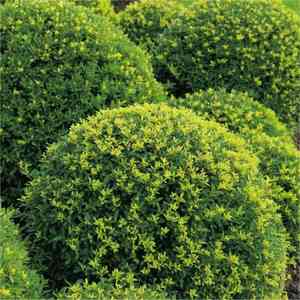
Healthy Japanese holly plants will exhibit vibrant green leaves and overall robust development. Another visual sign is the firmness of the leaves; well-hydrated leaves will be firm and upright. If you observe that the leaves are drooping or showing signs of discoloration, it's a clear indication that the plant's hydration needs are not being met.
Assessing Soil Moisture Before Irrigation
Before deciding to water your Japanese holly, always check the soil's moisture. Insert your finger about 2-3 cm (1 inch) into the soil. If the soil feels dry at this depth, it's time to water your plant. Alternatively, you can use a moisture meter for more precise readings. This practice helps prevent overwatering and ensures your plant receives the appropriate amount of water it needs.



