How Often Should You Water Your Common jasmine?
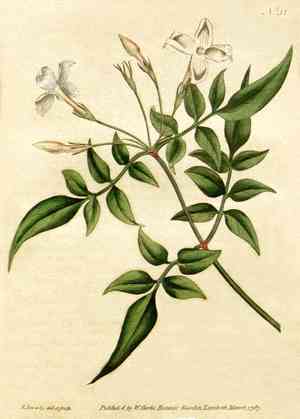
1
During its active growth phase, usually spring and summer, irrigate Common jasmine bi-weekly.
2
Refrain from utilizing hard tap water to avert the buildup of detrimental minerals in the substrate.
3
When the upper 2-3 cm (1 inch) of the potting mix feels arid, it signals that your Common jasmine requires moisture.
Grasping the Hydration Requirements of Common jasmine
Optimal Irrigation Schedule
Watering frequency is vital for maintaining a healthy and thriving Common jasmine. Typically, it's recommended to irrigate your Common jasmine twice weekly during its active growth phase, from spring through summer. During this period, the plant's water demands are elevated due to increased metabolic processes. Conversely, in the cooler months of autumn and winter, watering should be reduced as the plant enters dormancy and requires less moisture.
Indicators of Excessive or Insufficient Watering
Both too much and too little water can harm your Common jasmine. Overwatered plants may display yellowed foliage, root decay, or even fungal issues from consistently damp soil. Conversely, underwatering can lead to wilting leaves, stunted development, and dry, brittle edges. To achieve proper balance, regularly check soil moisture and adjust watering habits accordingly.
Seasonal Impact on Watering
Seasonal changes significantly influence how often you should water your Common jasmine. Throughout spring and summer, when the plant is actively growing and temperatures are warmer, more frequent watering will be necessary. Conversely, during the colder months of autumn and winter, Common jasmine enters a dormant state, and its water needs decrease considerably. Always adjust your watering schedule based on seasonal shifts to ensure your plant's optimal health.
Superior Watering Methods for Common jasmine
Selecting the Appropriate Water
The type of water you use for your Common jasmine can greatly impact its well-being. It's best to utilize rainwater or purified water to prevent the accumulation of salts and minerals often found in hard tap water. If tap water is your only option, let it sit for 24 hours to allow chlorine to evaporate before applying it to your plants. This simple step can significantly help in preventing potential harm to your Common jasmine.
Watering Techniques
Effective watering methods are crucial for ensuring your Common jasmine receives adequate moisture without being over-saturated. Water the plant thoroughly until you observe drainage from the pot's bottom, ensuring the roots are well-hydrated. It's advisable to water the soil directly rather than misting the leaves to prevent fungal problems. Additionally, consider using a watering can with a narrow spout to better control water flow and more effectively reach the soil.
Modifying Watering Based on Plant Condition
Your Common jasmine will signal its need for more or less water. Monitor the plant's overall health and state to adjust your watering routine accordingly. If the plant appears particularly vibrant and is growing well, maintain your current watering schedule. However, if the plant shows signs of stress, such as wilting or yellowing leaves, re-evaluate your approach. Sometimes, factors like humidity, temperature, and light levels may necessitate changes in watering frequency.
Common Watering Inquiries
How do I determine if my Common jasmine requires water?
A good guideline for assessing if your Common jasmine needs water is to check the soil's moisture. Insert your finger into the top 2-3 cm (1 inch) of soil. If it feels dry, it's time to water. Additionally, the plant may show physical signs like slightly drooping leaves when thirsty and will perk up shortly after being watered.
Is tap water suitable for my Common jasmine?
Tap water can be used for your Common jasmine, but be mindful of its quality. Tap water often contains chlorine and other minerals that can build up in the soil over time and harm the plant. To minimize potential damage, allow the water to sit for at least 24 hours before use, which helps dissipate the chlorine. Alternatively, consider using rainwater or distilled water as a safer choice.
What actions should I take if I've overwatered my Common jasmine?
If you suspect your Common jasmine has received too much water, the immediate step is to stop watering and allow the soil to dry out completely. Ensure the pot has sufficient drainage to prevent water from accumulating at the bottom. You might also consider repotting the plant in fresh, dry soil if root rot is apparent. Adjust future watering practices to prevent recurrence of the issue.



