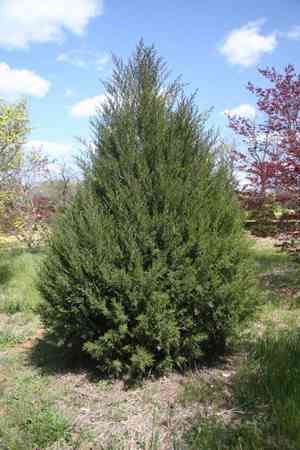
How Often Should You Water Your Eastern red cedar?
1
For mature Eastern red cedar, weekly irrigation is adequate throughout the active growth period.
2
Assess soil dampness 5-10 cm (2-4 inches) deep to ascertain if your Eastern red cedar requires moisture.
3
Refrain from evening watering to avert surplus humidity and potential fungal problems.
Grasping the Hydration Requirements of Eastern red cedar
How Climate Affects Watering
Local weather patterns greatly influence your Eastern red cedar's water demands. In arid and hot regions, soil dries out quicker, necessitating more frequent irrigation to prevent desiccation. Conversely, in cooler, more humid locales, natural soil moisture might suffice, reducing watering frequency. Understanding your climate helps tailor your watering schedule. During summer heatwaves, you might need to water more often, while in rainy periods, a less frequent schedule is appropriate.
Soil Types and Their Water Retention
The soil type where your Eastern red cedar grows significantly impacts its watering needs. Sandy soils drain rapidly and dry faster, demanding more frequent watering. Loamy soils, with balanced water retention and drainage, are ideal for consistent moisture. Clay soils, while holding water well, can cause overwatering and root rot if not carefully managed. For optimal growth, it's vital to understand your soil's water-holding capacity and adjust your watering routine accordingly.
Practical Watering Advice for Eastern red cedar
Optimal Time of Day for Watering Eastern red cedar
Watering your Eastern red cedar at the correct time of day maximizes its health benefits. Early morning is best, allowing moisture to reach roots effectively before daily heat causes evaporation. Avoid evening watering, as this can lead to excess root moisture and fungal diseases. A morning schedule ensures your plant gets needed hydration without risks from high humidity.
Effective Watering Methods
Proper watering techniques can greatly improve your Eastern red cedar's health. Deep watering, soaking the soil to about 20 cm (8 inches), promotes strong root growth and drought resistance. Use a soaker hose or drip system for slow, even water penetration. Avoid overhead watering, which wastes water and increases disease risk. Mulching around the tree base also helps retain soil moisture and reduce evaporation.
Signs of Insufficient and Excessive Watering
Recognizing signs of underwatering and overwatering helps adjust your Eastern red cedar's watering regimen. Underwatering symptoms include yellowing or browning needles, stunted growth, and dry, brittle branches. Overwatering signs include wilting despite moist soil, root rot, and fungal growth at the base. Regularly check soil moisture and observe your plant's condition to ensure proper hydration.
Seasonal Watering Adjustments for Eastern red cedar
Modifying Watering Schedules in Summer and Winter
Seasonal changes significantly affect your Eastern red cedar's watering needs. During summer, with high temperatures and increased evaporation, more frequent watering may be necessary. In winter, the tree enters dormancy and requires less water. Adjust your watering schedule to these seasonal shifts, ensuring adequate hydration without overwatering during its inactive period.
The Importance of Weather Monitoring
Monitoring weather conditions is crucial for maintaining the right watering schedule for your Eastern red cedar. Rainfall naturally reduces the need for extra watering, while prolonged dry spells may require more frequent irrigation. By checking weekly weather forecasts, you can align your watering routine with current conditions, ensuring your tree gets necessary hydration without waste. Additionally, during extreme weather, like heatwaves or heavy rain, be ready to take extra protective measures for your tree.



