How Often Should You Water Your Bleeding heart?
1
Prior to irrigating, always assess the soil's dampness to avoid both excessive and insufficient watering.
2
Bleeding heart flourishes in dimly lit spots with soil that drains effectively.
3
Throughout its active growth period, provide your Bleeding heart with water on a weekly basis.
Grasping the Hydration Requirements of Bleeding Heart
The Optimal Moisture Level for Robust Development
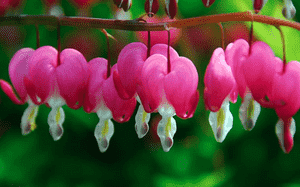
The Bleeding heart (Lamprocapnos spectabilis) is renowned for its delicate, heart-shaped blossoms that enhance any garden's appeal. Maintaining this plant's health necessitates a thorough comprehension of its water demands. The Bleeding heart thrives in consistently damp soil, yet not waterlogged conditions. Ensuring the soil remains uniformly moist can significantly contribute to the plant's luxuriant growth and vibrant flowers. Employing a well-draining soil mixture can aid in sustaining appropriate moisture levels, averting waterlogged states detrimental to the plant.
Indicators of Excessive and Insufficient Watering
Recognizing the signs of overwatering and underwatering is vital for preserving your Bleeding heart's well-being. Overwatering can lead to yellowing foliage, root decay, and wiltingâa clear sign that the roots are suffocating due to surplus moisture. Conversely, insufficient watering can cause the leaves to dry out and become brittle, and the plant may struggle to produce blooms. Being attentive and responsive to these indicators can help you adjust your watering regimen to more effectively meet the plant's requirements.
Optimal Watering Practices for Bleeding Heart
How to Assess Soil Moisture Prior to Irrigation
Before reaching for the watering vessel, it's crucial to evaluate the soil's moisture content. You can achieve this by inserting your finger approximately 2-3 centimeters (1 inch) into the soil. If it feels arid at this depth, it's time to irrigate. For a more precise measurement, consider utilizing a soil moisture meter, which can provide an accurate reading of the moisture levels deeper within the soil. This method helps prevent both excessive and insufficient watering.
Recommended Watering Frequency Across Seasons
Bleeding heart exhibits varying water needs depending on the season. During the active growth period in spring and summer, it's essential to water your plant more frequentlyâroughly once a week. However, as the plant enters dormancy in autumn and winter, its water requirements diminish. During these colder months, reducing the watering frequency to once every two weeks or only when the soil feels dry can help the plant conserve energy and prepare for the subsequent growing season.
Impact of Environmental Elements on Watering Schedule
Environmental conditions significantly influence your Bleeding heart's watering needs. Factors such as temperature, humidity, and sun exposure all play a role. In hotter, drier climates, the soil may desiccate more rapidly, necessitating more frequent irrigation. In contrast, in cooler, more humid environments, the soil retains moisture longer, reducing the need for frequent watering. Shaded areas also affect watering schedules, as they can help maintain moisture levels more consistently compared to locations with direct sunlight.
Watering Methods for Bleeding Heart
Employing the Bottom Watering Technique
An effective method for hydrating Bleeding heart is bottom watering. This technique involves placing the container in a shallow tray filled with water, allowing the plant to absorb moisture from the base upwards. This method ensures that the roots receive adequate hydration without oversaturating the soil surface. It also promotes stronger root development, as the plant's roots grow downwards towards the water source.
Significance of Drainage in Preventing Root Decay
Proper drainage is crucial for averting root rot, a common problem with overwatered plants. Ensure that your Bleeding heart is situated in a pot or garden bed with effective drainage. Incorporating perlite or coarse sand into your soil mix can enhance its drainage capabilities. Additionally, placing a layer of small stones or broken pottery at the bottom of the pot can facilitate the escape of excess water, keeping your plant's roots healthy and free from decay.



