How Often Should You Water Your Perennial pea?
1
Provide your Perennial pea with weekly irrigation to maintain its health and vigor, particularly during its active growth phase.
2
Refrain from overhead watering of Perennial pea, as this practice can encourage fungal and mildew development on the leaves.
3
Assess soil dampness by inserting a finger approximately 2-3 cm (1 inch) into the substrate; if it feels arid, irrigation is necessary.
Understanding the Hydration Requirements of Perennial Pea
The Fundamentals of Perennial Pea Moisture
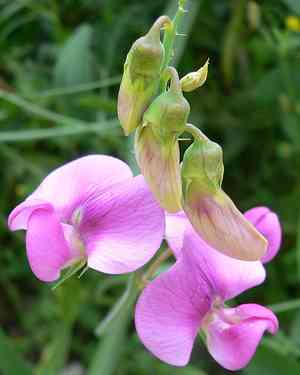
The Perennial pea is an attractive and resilient climbing plant known for its vibrant pink, purple, or white blooms. Like all flora, it needs an appropriate amount of water to flourish. Typically, a weekly watering regimen is sufficient, but this can fluctuate based on various conditions. During its active growth phase, generally from spring to late summer, your Perennial pea will require more frequent irrigation compared to its dormant winter period. Providing your plant with approximately 2.5-3.8 liters (0.5-1 gallon) of water per week is a good starting point. Always strive for consistent soil moisture without allowing it to become saturated.
Elements Affecting Water Demands
Multiple elements influence the amount of water your Perennial pea might need. These include the local climate, soil composition, and the plant’s developmental stage. Hot and windy conditions can rapidly dry out soil, necessitating more frequent watering. Sandy soils, which drain quickly, will also demand more regular attention compared to clay-based soils. Furthermore, young or recently transplanted Perennial pea plants establishing their root systems may require more careful watering than well-established ones.
Effective Watering Practices for Perennial Pea
When to Hydrate: Recognizing Signs of Dehydration
Knowing when to water your Perennial pea is vital. One of the best indicators is the soil's moisture level. Insert your finger about 2-3 cm (1 inch) into the soil; if it feels dry, it's time to water. Additionally, look for visual cues: drooping leaves, especially during the cool morning hours, signal that your plant is thirsty. Another tip is to observe the plant’s growth pattern. Slow or stunted development can indicate insufficient watering.
How to Hydrate: Methods for Optimal Moisture Delivery
The technique you employ to water your Perennial pea can significantly impact its vitality. Aim to water at the plant's base to ensure the roots receive moisture directly, which helps prevent mold and mildew on the foliage caused by overhead watering. Utilize a soaker hose or drip irrigation system for efficient watering. It's also best to water in the early morning, allowing the plant to absorb moisture before the day's heat accelerates evaporation. Ensuring that water penetrates deeply into the soil promotes robust root growth, enhancing the plant's drought resilience.
Common Watering Errors to Avoid with Perennial Pea
Excessive Watering and its Repercussions
Overwatering is a frequent error that can lead to root rot and other fungal diseases, severely impacting your Perennial pea. Symptoms of overwatering include yellowing leaves and a general lack of vigor. It's crucial to maintain a balance - while the plant needs consistent moisture, it should never sit in waterlogged soil. Ensure your soil drains effectively and consider using raised beds or containers with drainage holes if water retention is a persistent issue.
Insufficient Watering Problems
Underwatering, conversely, can cause the Perennial pea to dry out, leading to wilting and eventual browning of the leaves. This is particularly critical during the blooming season when the plant's water demands are at their peak. If you notice that the plant's leaves are dry and brittle, especially at the edges, it may indicate a need for more frequent watering. Adhering to a regular watering schedule and being mindful of environmental conditions can help prevent underwatering.



