How Often Should You Water Your Lovage?
1
Irrigation schedule: Two times weekly
2
Lovage flourishes in soil that drains effectively, preventing root decay.
3
Hydrate in the morning's initial hours to lessen water loss through evaporation.
Grasping Lovage Hydration Requirements
The Significance of Proper Lovage Irrigation
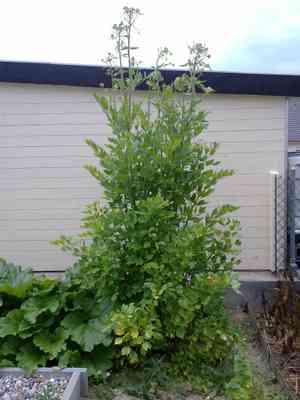
Correctly hydrating your Lovage is vital for its vigor and well-being. This perennial herb can reach heights of up to 2 meters (6 feet). It thrives with moisture, but excessive water can cause root decay, while insufficient water leads to wilting and stunted development. To achieve the ideal balance, understanding your plant's specific needs and adapting watering methods is essential.
How Soil Composition Influences Watering Frequency
Your Lovage will flourish in well-draining, loamy earth. This soil type retains adequate moisture while allowing surplus water to escape, preventing root rot. Sandy soils, which drain quickly, might necessitate more frequent irrigation. Conversely, clay soils hold water longer, so less frequent watering could be required. Always adjust your watering routine based on the soil makeup to keep your Lovage thriving.
Seasonal Adjustments to Irrigation Schedules
Seasonality significantly impacts how often you should hydrate your Lovage. During hot summer months, increased evaporation and plant growth demand more frequent watering â typically twice weekly. In cooler, wetter periods like autumn and spring, you might water less often, remembering that waterlogged soil can be harmful. Winter demands a delicate approach, as the plant is dormant and requires minimal water. Monitor weather patterns and soil dampness to make informed adjustments.
Practical Advice for Lovage Irrigation
Optimal Time of Day to Water Lovage
The best time to water your Lovage is in the early morning. Morning watering allows the moisture to penetrate the soil before the day's heat causes evaporation. This timing also ensures the foliage dries quickly, reducing the risk of fungal diseases that flourish in damp conditions. Avoid evening watering to prevent prolonged leaf wetness overnight.
Methods for Ensuring Uniform Moisture Distribution
To guarantee your Lovage receives consistent moisture, consider employing a drip irrigation system or a soaker hose. These techniques release water slowly and directly to the soil, minimizing runoff and ensuring deep saturation. Manual watering is also effective, but be sure to cover the entire base area of the plant. Applying mulch around the Lovage's base can help retain soil moisture and decrease watering frequency.
Tools and Aids for Efficient Hydration
Effective watering can be achieved with the appropriate implements. Watering cans, hoses with adjustable nozzles, and drip irrigation systems are all excellent choices. Soil moisture meters are invaluable as they help you determine when your Lovage needs water, preventing both over and under-watering. Consider using rain barrels to collect rainwater, which is often free of tap water chemicals and preferred by many plants.
Indicators of Over and Under-Watered Lovage
Recognizing Symptoms of Water Stress in Lovage
Identifying water stress in Lovage is crucial for maintaining its health. Signs of overwatering include yellowing leaves, moldy soil, and a generally droopy appearance despite wet soil. Under-watered Lovage will often display brown, crispy leaf edges, sagging stems, and dry soil. Observing these symptoms allows you to modify your watering practices before the plant sustains irreversible harm.
Actions to Take If You've Over-Watered Lovage
If you suspect your Lovage is over-watered, the initial step is to check the soil's moisture. Cease watering until the top few centimeters (inches) of soil dry out. Improving drainage is criticalâconsider repotting if in a container or amending soil if planted in the ground. Gently aerate the soil to encourage drying and prevent fungal issues. Gradually reducing water and monitoring the plant's recovery can save your Lovage from further damage.
Steps for Recovering Under-Watered Lovage
Reviving under-watered Lovage involves progressively restoring soil moisture. Water the plant thoroughly, ensuring the roots receive moisture. Consistent, deep watering sessions are more effective than frequent, shallow ones. Adding a layer of mulch can help retain moisture. Be patientârecovery may take some time, but with consistent care, Lovage will rebound, exhibiting new, healthy growth.



