How Often Should You Water Your Edging lobelia?
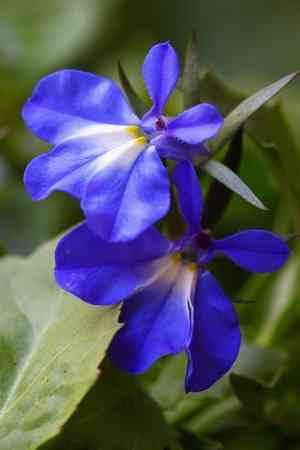
1
Moisten Edging lobelia weekly, though modify according to climatic factors.
2
Refrain from watering from above to prevent fungal infections.
3
Employ a potting blend that drains well to sustain ideal hydration.
Grasping the Hydration Requirements of Edging Lobelia
Elements Affecting Water Needs
Properly hydrating your Edging lobelia necessitates comprehending the various elements that impact its water demands. Primarily, consider the plant's surroundings. Its placement, whether in a container or garden bed, influences water retention. Potted plants often dry out quicker than those in the ground. Temperature and humidity also play vital roles; elevated temperatures and reduced humidity levels mandate more frequent irrigation. Furthermore, the plant's developmental stage affects its moisture requirements. Young plants and blooming specimens generally need more water to support their rapid growth and vibrant flowers.
Indicators of Insufficient and Excessive Watering
Identifying the signs of under- and overwatering in Edging lobelia is crucial for maintaining its vitality. Dehydrated plants will exhibit drooping foliage, browned leaf edges, and stunted development. If these indicators are present, it's essential to increase your watering frequency. Conversely, excessive watering can be equally harmful, leading to yellowed leaves, root decay, and fungal infections. To avert these issues, ensure the soil drains adequately and the plant isn't left in standing water.
Appropriate Watering Methods for Edging Lobelia
Optimal Watering Times and Conditions
The most suitable time to water your Edging lobelia is in the early morning or late afternoon. Irrigating during these cooler parts of the day minimizes evaporation, ensuring more water reaches the roots. Additionally, watering plants in the morning helps them better endure the day's heat. Always check the soil's moisture before watering; it should feel slightly dry to the touch before you add more water. This practice prevents waterlogging and fosters healthy root growth.
Watering Implements and Approaches
Utilizing the correct tools and techniques can significantly impact how effectively your Edging lobelia absorbs water. A watering can with a slender spout allows for precise watering at the plant's base, lessening the chance of fungal diseases caused by wet foliage. Drip irrigation systems are another excellent choice, providing a slow and consistent water supply directly to the roots. Avoid overhead sprinklers as they tend to excessively wet the leaves, creating an environment conducive to diseases.
Maintaining Ideal Soil Moisture
Selecting the Correct Soil Blend
Choosing the appropriate soil mixture is vital for sustaining the optimal moisture level for your Edging lobelia. A well-draining soil blend ensures that surplus water doesn't accumulate around the roots, which can lead to rot. You can create an ideal mix by combining garden soil with perlite or sand to enhance drainage. Additionally, incorporating organic matter like compost helps retain moisture while supplying essential nutrients.
Monitoring Soil Moisture Levels
Regularly checking soil moisture levels is fundamental for the well-being of your Edging lobelia. You can employ a moisture meter to obtain an accurate reading of the soil's wetness. Alternatively, a simple method is to insert your finger about 2-5 centimeters (1-2 inches) into the soil; if it feels dry, it's time to water. Ensuring the soil remains consistently moist but not saturated will help you avoid the common pitfalls of over- and underwatering.
Adjusting Watering Practices with Seasonal Shifts
Watering During Hot and Arid Periods
During hot and dry periods, your Edging lobelia will likely require more frequent watering. Elevated temperatures and reduced humidity can cause the soil to dry out more rapidly. To keep the plant healthy, closely monitor the soil moisture and water whenever the soil feels dry to the touch. Applying mulch around the plant's base can also help retain soil moisture and decrease evaporation.
Modifications During Colder Months
In cooler months, adapt your watering practices for your Edging lobelia. The soil doesn't dry out as quickly, so you can reduce the frequency of irrigation. Be careful not to waterlog the roots, which can be more susceptible to rot in colder conditions. Ensure the plant is in a well-draining soil mix, and decrease watering to once every two weeks or based on soil moisture readings during these periods.



