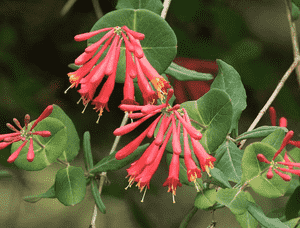
How Often Should You Water Your Trumpet honeysuckle?
1
Provide your Trumpet honeysuckle with about 1 inch (2.5 cm) of water twice weekly.
2
Excessive watering of Trumpet honeysuckle can cause root decay, whereas prolonged insufficient watering might hinder its development.
3
In warm summer periods, water more often to offset higher rates of water loss.
Grasping the Hydration Needs of Trumpet Honeysuckle
Elements Affecting Water Requirements
Several aspects influence the water volume your Trumpet honeysuckle needs. These include the plant's age, soil type, environmental conditions, and time of year. Younger plants generally require more frequent irrigation as their root systems develop. Sandy or well-draining soils might need more water than loamy or clay soils, which hold moisture better. Environmental factors like temperature, humidity, and wind can also boost evaporation, necessitating adjustments to your watering routine.
Indicators of Excessive and Insufficient Watering
Recognizing signs of overwatering and underwatering helps fine-tune your irrigation regimen for optimal plant health. Overwatered Trumpet honeysuckle often displays yellowing leaves and a soft stem due to root decay. Conversely, signs of insufficient watering include wilting, dry, brittle leaves, and stunted growth. Monitoring these cues allows you to make necessary changes to keep your plant thriving.
Optimal Practices for Hydrating Trumpet Honeysuckle
Preferred Watering Schedule
An ideal watering schedule for Trumpet honeysuckle involves irrigating twice weekly, providing enough water to permeate the top 6 inches (15 cm) of soil. A consistent watering routine aids in developing a strong root system and ensures the plant receives adequate moisture without the risks of over-saturation.
Watering Methods and Tools
Effective watering techniques can significantly impact plant vitality. Utilize a soaker hose or drip irrigation system to deliver a slow, steady water supply, ensuring deeper soil penetration. Manual watering with a can or garden hose can be effective but demands more attention to prevent water pooling or runoff. Mulching around the plant's base assists in moisture retention and reduces watering frequency.
Adjusting Hydration Based on Seasonal Shifts
Spring and Summer Irrigation
Spring and summer bring warmer temperatures, increasing your Trumpet honeysuckle's watering demands. During these periods, you might need to increase frequency to three times weekly, especially during heatwaves. Early morning watering is best as it allows water to soak deeply before the day's heat intensifies evaporation.
Fall and Winter Irrigation
Fall and winter typically feature cooler temperatures and often more rainfall. During these times, decrease watering frequency to once weekly or even less if precipitation is ample. Ensure the ground isn't frozen, as irrigating frozen soil can harm roots. Adjust the schedule according to the season's specific weather patterns to prevent over-saturation.
Resolving Common Watering Problems
Addressing Water Stress in Trumpet Honeysuckle
Water stress can appear in Trumpet honeysuckle as both insufficient and excessive watering. To combat water stress, ensure your soil drains well and that you're not allowing the plant to sit in waterlogged conditions. Frequent checks of soil moisture with a meter can also help prevent water stress.
Tips for Maintaining Healthy Soil Moisture
Maintaining healthy soil moisture involves a blend of proper watering practices, soil enhancements, and regular checks. Adding organic matter like compost or peat moss can improve soil structure and its capacity to hold moisture. Consistent mulching helps reduce evaporation rates, while testing soil moisture levels can guide you in adjusting your watering schedule as needed.



