How Often Should You Water Your Large yellow loosestrife?
1
The Large yellow loosestrife thrives in consistently damp soil, avoiding saturation.
2
Morning irrigation reduces water loss from evaporation, allowing moisture to reach the plant's root system.
3
In warm summer periods, the Large yellow loosestrife might require more frequent watering than once a week.
Grasping the Hydration Requirements of Large yellow loosestrife
Recognizing Indicators of Proper Hydration
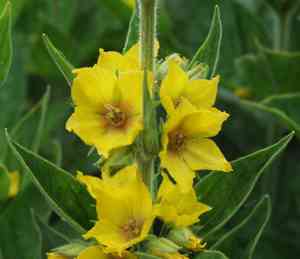
Understanding the signs of a well-hydrated Large yellow loosestrife can guide your watering practices. Healthy specimens display vibrant yellow blooms and lush green foliage. Leaves should be firm, and the soil should feel damp but not saturated when touched. Another clue is growth rate; a sufficiently watered Large yellow loosestrife typically grows robustly during its active period.
Repercussions of Excessive and Insufficient Watering
Over-saturating your Large yellow loosestrife can lead to root decay, identified by discolored, soft roots, and an unpleasant smell. Leaves might yellow and drop prematurely, and the plant may wilt despite wet soil. Conversely, under-watering can cause leaves to become dry and brittle, and the plant may show stunted growth and fewer flowers. Regular monitoring of soil and plant condition helps prevent these issues.
Optimal Methods for Hydrating Large yellow loosestrife
Correct Watering Procedures: Methods and Advice
To properly hydrate your Large yellow loosestrife, ensure water penetrates deeply into the soil. A slow, consistent watering method works best, allowing moisture to reach the root zone. Avoid using a high-pressure spray, which can cause soil erosion and harm the plant. Employing a watering can or soaker hose helps distribute water evenly and minimizes waste. The aim is to keep the soil consistently moist but not waterlogged.
Seasonal Modifications to the Hydration Schedule
Adjust the watering regimen for your Large yellow loosestrife according to the season. During the active growth phase in spring and summer, the plant requires more frequent watering. However, in the cooler months of autumn and winter, reduce frequency as the plant's growth slows and water needs decrease. Monitoring weather conditions is also vital; during hot, dry spells, increase frequency to prevent the soil from completely drying out.
Ideal Conditions for Watering This Plant
Soil Moisture and Its Influence on Watering Frequency
The soil's moisture level significantly impacts how often you should water your Large yellow loosestrife. Sandy soils demand more frequent watering as they drain quickly, whereas clayey soils retain moisture longer. Using a moisture meter can help accurately determine the soil's water content, preventing both over and under-watering. Well-balanced soil with organic matter improves moisture retention and supports healthy root development.
What Time of Day Is Best for Hydrating Large yellow loosestrife?
The optimal time to water your Large yellow loosestrife is early in the morning. Morning watering reduces evaporation and ensures the plant absorbs enough moisture before midday heat. Evening watering is also an option but can increase the risk of fungal diseases due to prolonged leaf wetness. Avoid watering during the hottest part of the day as it leads to rapid evaporation and potential water stress for the plant.
Maintaining Soil Health While Hydrating Large yellow loosestrife
Mulching Techniques for Soil Moisture Retention
Mulching is an effective strategy to maintain soil moisture for your Large yellow loosestrife. Apply a layer of organic mulch, such as straw or wood chips, around the plant. Mulch helps reduce evaporation, stabilize soil temperature, and suppress weed growth. Ensure the mulch layer is about 5-7.5 centimeters (2-3 inches) thick and avoid piling it directly against the plant stem to prevent rot. Regularly replenish the mulch to sustain its effectiveness.
Adjusting Hydration Based on Soil Composition
Different soil types necessitate varied watering approaches. For sandy soil, which drains rapidly, more frequent but lighter watering is beneficial. For clayey soil, which holds moisture, deeper but less frequent watering is ideal to prevent waterlogging. Incorporating organic matter into the soil can enhance its structure and water-holding capacity, ensuring the Large yellow loosestrife receives adequate hydration throughout the seasons.



