How Often Should You Water Your Southern magnolia?
1
For recently established Southern magnolias, irrigate bi-weekly for the initial half-year.
2
During warmer periods, elevate watering regularity to maintain soil dampness.
3
Hydrate established Southern magnolia trees weekly, providing roughly 3-5 gallons (11-19 liters) each time.
Understanding the Hydration Requirements of Southern Magnolia
Recognizing Indicators of Adequate Moisture
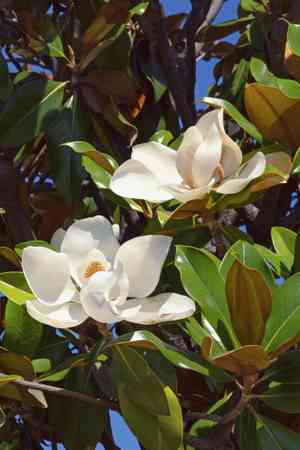
Discerning when your Southern magnolia is sufficiently hydrated can be quite straightforward. Flourishing trees display vibrant green foliage and produce their characteristic large, creamy-white blossoms in abundance. Leaves should feel firm and not appear wilted or curled. Furthermore, well-hydrated magnolias will exhibit new growth, particularly noticeable in spring and early summer.
Signs of Excessive and Insufficient Watering
Overwatering and underwatering are frequent concerns for Southern magnolia. Over-irrigated trees may show yellowing leaves and root decay, which can initially be confused with other problems. Conversely, under-irrigated Southern magnolia often present with dry, brown leaf edges and a general drooping appearance. Consistent lack of moisture can lead to stunted development and reduced blooming.
Seasonal Adjustments in Watering
Seasonal shifts significantly influence the watering demands of your Southern magnolia. During spring and summer, more frequent irrigation is necessary due to elevated evaporation rates. As autumn transitions into winter, decrease watering as the tree's growth slows. Always adapt based on the soil's moisture level, checking several inches below the surface.
Optimal Watering Practices for Southern Magnolia
Selecting the Ideal Time of Day for Irrigation
Watering your Southern magnolia at the correct time of day can greatly impact its vitality. Early morning is the prime time as it allows water to penetrate the root system before the day's heat intensifies. This minimizes evaporation and ensures the tree remains adequately hydrated. Avoid evening watering; excess moisture on leaves can foster fungal growth overnight.
Choosing Suitable Watering Equipment and Methods
Opt for soaker hoses or drip irrigation systems to hydrate your Southern magnolia. These techniques deliver a slow, consistent water supply directly to the roots, which is more efficient and prevents runoff. Manual watering with a hose ensures you're providing the right amount, but it can be time-consuming. Utilizing a moisture meter can also help assess soil moisture levels more precisely.
Quantity of Water to Supply Per Session
When irrigating your Southern magnolia, aim to thoroughly saturate the soil. Supplying approximately 3-5 gallons (11-19 liters) of water per session for mature trees is optimal. For younger or newly planted trees, increase the frequency to twice weekly. Monitor the soil moisture to ensure it remains consistently damp but not waterlogged. Adjust the volume based on your local climate and soil type.
Ideal Soil and Environmental Conditions for Southern Magnolia
Importance of Well-Draining Soil
Well-draining soil is vital for the health of your Southern magnolia. These trees flourish in soil that permits excess water to drain away, preventing root rot. Sandy loam or loamy soil types are perfect. Amend heavy clay soils with organic matter or sand to enhance drainage. Regularly inspect the soil around your magnolia to ensure it's neither too dry nor excessively saturated.
Role of Mulch in Moisture Retention
Mulching around your Southern magnolia plays a crucial role in retaining moisture. A 2-3 inch (5-7 cm) layer of organic mulch, such as wood chips or shredded bark, helps maintain consistent soil moisture levels, suppresses weeds, and regulates soil temperature. Ensure the mulch is positioned a few inches away from the trunk to prevent fungal issues.
Climate's Influence on Watering Frequency
The local climate dictates how often you should irrigate your Southern magnolia. In hot and arid climates, increase watering frequency to compensate for higher evaporation rates. Conversely, in cooler or more humid regions, reduce watering to prevent water from lingering too long and causing root problems. Pay attention to weather patterns and adjust your watering schedule accordingly.



