How Often Should You Water Your German chamomile?
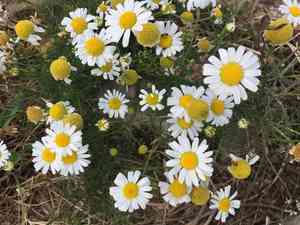
1
Moisten your German chamomile bi-weekly to sustain ideal soil dampness.
2
Excessive watering may cause root decay, a frequent problem for numerous plants, including German chamomile.
3
In warm and breezy conditions, elevate irrigation frequency since water dissipates faster.
Grasping German chamomile's Hydration Requirements
Indicators of Insufficient Watering in German chamomile
When German chamomile lacks water, the most evident symptom is wilting. The plant's leaves will begin to sag and develop an unhealthy yellow hue. This state often implies that the roots are not receiving enough moisture to sustain the plant's overall vitality. Furthermore, the blossoms might become sparse, impacting the aesthetic and medicinal qualities of your German chamomile.
Indicators of Excessive Watering in German chamomile
Conversely, providing too much water to your German chamomile can be equally harmful. Symptoms of over-watering include yellowing foliage and a soft, unhealthy root system susceptible to rot. Over-saturated soil creates an environment where essential oxygen cannot reach the roots, frequently leading to fungal infections.
Ideal Soil Moisture Levels for German chamomile
Maintaining the correct soil moisture level is vital for the robust growth of German chamomile. The soil should remain damp but not waterlogged. A simple way to verify this is to insert your finger approximately 2-3 centimeters (1 inch) into the soil. If it feels dry, it's time to irrigate. Utilizing a moisture meter can offer a more precise measurement, ensuring your plant stays consistently well-hydrated.
Optimal Practices for Hydrating German chamomile
Seasonal Adjustments for Watering
Seasonal shifts significantly influence the water demands of your German chamomile. During the warm summer months, increased temperatures and sunlight lead to faster soil evaporation, necessitating more frequent watering, sometimes daily in extreme heat. Conversely, in cooler periods, you should decrease the frequency to about once per week, as soil retains moisture for longer durations.
Watering Methods for Robust Growth
For maximum absorption, water your German chamomile plants in the early morning when temperatures are lower, reducing evaporation. Aim to water at the plant's base to ensure roots receive adequate moisture while avoiding wetting the foliage, which can cause fungal problems. Employing a drip irrigation system or soaker hoses can be particularly effective for these plants, delivering consistent moisture to the root zone.
Common Errors to Avoid When Watering German chamomile
Using Inappropriate Watering Tools
A frequent error is using overhead sprinklers, which not only deliver water inefficiently but also wet the leaves and flowers, encouraging disease. Instead, use watering cans with long spouts or drip irrigation systems to directly target the root area.
Disregarding Weather Conditions
Weather conditions play a crucial role in your German chamomile's watering needs. Ignoring rainfall can result in over-watering, while hot, dry days may necessitate increased irrigation. Always check the weather forecast and the current state of your soil before deciding to water.
Additional Advice for Thriving German chamomile
Mulching and Its Benefits for Moisture Retention
Applying a layer of mulch around your German chamomile can significantly assist in retaining moisture. Organic mulches like straw or composted bark help maintain stable soil temperatures, reduce evaporation, and provide nutrients as they decompose. This is especially advantageous during hot weather or windy conditions that cause rapid moisture loss.
Regularly Monitoring Plant Health
Consistently observing your German chamomile for signs of stress or disease is essential. Check the leaves for alterations in color or texture, and regularly inspect the soil moisture. Early detection of issues such as pests or improper watering can allow for timely intervention, ensuring your plants remain healthy and vibrant.



