How Often Should You Water Your Swiss cheese plant?
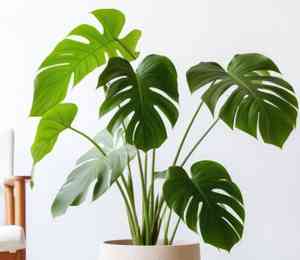
1
Provide hydration to your Monstera deliciosa roughly once per week, increasing frequency when temperatures are higher.
2
Refrain from applying chilled tap water directly to your Monstera deliciosa; allow water to acclimate to ambient temperature beforehand.
3
Effective drainage is crucial—prevent your plant from resting in oversaturated soil, as this can lead to root decay.
Deciphering the Hydration Needs of Monstera deliciosa
What Makes Monstera deliciosa's Water Requirements Distinctive?
The Monstera deliciosa, a native of tropical regions, flourishes in moist atmospheres. Its signature large, perforated leaves are not merely decorative but signify its adaptation to jungle conditions where rainfall is abundant. Unlike succulents that conserve moisture, the Monstera deliciosa demands consistent dampness to sustain its vibrant foliage. Grasping its native habitat aids in replicating similar indoor conditions. A balanced approach to watering prevents the plant from enduring severe stress due to dehydration or oversaturation. This equilibrium fosters robust growth and preserves the distinct allure of its leaves.
Indicators of Excessive or Insufficient Watering
A crucial skill in plant care is discerning when your Monstera deliciosa requires hydration and when it has received too much. Over-watering can result in yellowed leaves and waterlogged soil, potentially leading to root rot if not addressed promptly. Other signs include a soft stem base and an overall drooping appearance. Conversely, under-watering will manifest as dry, brittle leaf edges, and the plant may look wilted or lifeless. Recognizing these cues allows for effective adjustment of your care regimen, keeping the plant lush and vibrant.
Optimal Timing for Watering Your Monstera deliciosa?
Seasonal Hydration Guide: Spring and Summer
During its active growth phases in spring and summer, your Monstera deliciosa will be more metabolically active, necessitating more frequent watering. Ideally, hydrate your plant weekly, but always inspect the top 2.5 cm (1 inch) of potting medium. If it feels parched, it's time to irrigate. Elevated temperatures and increased light levels accelerate evaporation, so you might need to slightly modify the frequency based on your indoor environment. Regular misting can also help maintain the humidity levels this tropical plant desires.
Modifying Watering for Autumn and Winter
As the growth rate diminishes in autumn and winter, so too should your watering regimen. The Monstera deliciosa enters a dormant phase where its water demands decrease. Reduce watering to bi-weekly or whenever the soil is dry 2.5 cm (1 inch) beneath the surface. Excessive watering during these cooler months can be detrimental, leading to standing water around the root system. Attentive monitoring of your plant and adapting your watering habits ensures its year-round health.
Effective Watering Practices for Monstera deliciosa
Selecting Appropriate Water and Implements
Utilizing the correct type of water is vital for the optimal health of your Monstera deliciosa. Tap water often contains chlorine and fluoride, which can be detrimental over time. Allow tap water to sit uncovered for 24 hours to enable these chemicals to dissipate, or opt for filtered water. Room temperature water is ideal to prevent shocking the plant's roots. Arm yourself with a quality watering can featuring a slender spout to direct water precisely to the soil, helping prevent water from pooling on leaves and causing fungal issues or other problems.
Detailed Watering Procedure
Effectively watering your Monstera deliciosa involves a straightforward method. First, assess the soil moisture. Insert your finger approximately 2.5 cm (1 inch) into the soil; if it feels dry, your plant requires hydration. Water thoroughly until liquid begins to exit the drainage holes at the pot's base. This ensures the entire root ball is adequately moistened. After watering, allow a few minutes, then remove any standing water from the plant's saucer to prevent roots from sitting in stagnant liquid. This emulates the natural drainage of tropical forest floors and promotes healthy roots.
Common Errors in Watering Monstera deliciosa
Avoiding Water Accumulation in the Saucer
One of the most frequent mistakes is allowing water to collect in the saucer beneath your Monstera deliciosa. This can lead to waterlogging, resulting in root rot—a fatal condition for your plant. Always ensure you discard any excess water from the saucer immediately after watering. This practice mirrors the plant's natural environment where water drains away swiftly, preventing the roots from being submerged and ensuring they have access to both water and air.
The Hazards of Using Hard Water
Another common problem is the use of hard water, which contains elevated levels of calcium and magnesium. Over time, hard water can cause mineral deposits to build up in the soil, impairing your Monstera deliciosa's capacity to absorb nutrients. It is advisable to use rainwater or filtered water to mitigate this risk. If hard water is your only option, consider repotting the plant annually to refresh the soil, ensuring it remains free of accumulated minerals and conducive to robust growth.



