How Often Should You Water Your Catnip?
1
Provide hydration to your Catnip weekly to maintain its health and vitality.
2
Ensure the growing medium is damp, but avoid waterlogging. Excessive watering can cause root decay.
3
Modify irrigation frequency according to the time of year: increase in warmer months, decrease in colder months.
Understanding Catnip's Hydration Requirements
The Fundamentals of Catnip Moisture
Catnip, a beloved plant for felines, is a surprisingly tough herb that needs moderate irrigation to flourish. Typically cultivated in gardens or containers, catnip benefits from consistent, yet not excessive, moisture. The optimal watering routine for Catnip is roughly once weekly, ensuring the soil stays uniformly damp. Unlike some plants, catnip dislikes being either too dry or too wet, making balance crucial. A good guideline is to water when the top inch (around 2.5 cm) of soil feels arid to the touch.
Indicators of Adequate Catnip Watering
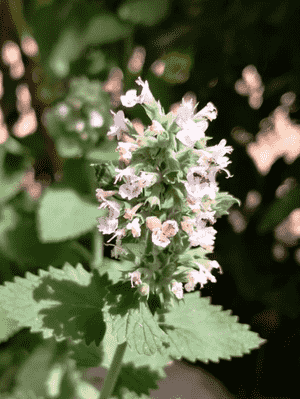
Determining if your Catnip receives the correct amount of water is straightforward. A properly hydrated catnip plant will display firm, green foliage and sturdy stems. Furthermore, the plant will show steady growth and might even produce white to lavender blossoms with proper care. Conversely, if Catnip is under-watered, its leaves will appear dull, droopy, and may yellow. In contrast, over-watered plants might exhibit mold, root rot, or sagging, soft leaves.
Optimal Practices for Catnip Irrigation
Selecting the Correct Time and Frequency
Timing is a vital aspect of hydrating your Catnip. Early morning or late evening is the best period to water the plant to reduce evaporation and maximize absorption. Adhering to a weekly schedule works well for most catnip plants, but always adjust based on specific environmental factors like humidity levels and soil composition. Consider employing a watering can or a drip irrigation system to ensure controlled and even water distribution.
Seasonal Adjustments for Catnip Watering
Seasonal changes necessitate modifying your Catnip watering regimen. During warm summer months, catnip requires more frequent watering due to increased evaporation and growth rates. Conversely, during colder periods, decrease watering frequency as the plant's growth slows. In winter, you might find that watering every ten days or even bi-weekly is sufficient. Always monitor soil moisture and adjust accordingly to prevent overwatering during these slower growth phases.
Common Catnip Watering Errors to Avoid
Excessive Watering: Risks and Prevention
One of the most frequent errors when caring for Catnip is overwatering. Excessive watering can lead to root rot, a condition where the plant's roots decay due to surplus moisture. To prevent overwatering, always check the soil moisture level before irrigating, and ensure your plant pots have sufficient drainage. Water only when the top inch of soil is dry and avoid letting the plant sit in standing water.
Insufficient Watering: Symptoms and Solutions
Underwatering, conversely, can stress the Catnip plant and hinder its development. Symptoms of insufficient watering include brittle, dry leaves, and a dull appearance. To remedy this, establish a consistent watering schedule and ensure thorough saturation each time you water. For a quick fix, immerse the pot in water for about 15 minutes to allow the soil to absorb moisture uniformly.
FAQ: Hydrating Your Catnip
How much water does Catnip require weekly?
On average, your Catnip plant will need approximately half to one liter (around 16-32 ounces) of water per week. This can vary based on factors such as plant size, container dimensions, and climate. It's crucial to provide enough water to keep the soil damp without completely saturating it.
What is the ideal water type for Catnip?
While Catnip isn't overly particular about water type, using room-temperature rainwater or distilled water can minimize the accumulation of minerals often found in tap water. This is especially beneficial if you reside in an area with hard tap water.
Can I use tap water for my Catnip?
Yes, you can use tap water for your Catnip. However, allow the water to sit for 24 hours before use. This waiting period permits any chlorine to dissipate, making it gentler for your plant. If high mineral content is a concern, consider using filtered or distilled water instead.



