How Often Should You Water Your Tree peony?
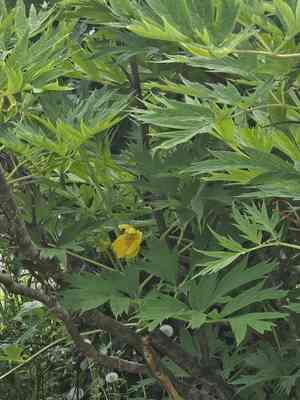
1
Provide water to your Tree peony two times each week.
2
Water thoroughly in the early morning hours to reduce water loss through evaporation.
3
Assess soil dampness by inserting your finger 5-7 cm (2-3 inches) into the growing medium.
Understanding the Hydration Requirements of Tree peony
The influence of substrate type on irrigation frequency
Substrate composition significantly impacts how often you should irrigate your Tree peony. Well-draining media prevents water accumulation, which can harm the plant's vitality. Sandy substrates dry out more quickly, necessitating more frequent watering compared to clay soils that retain moisture longer. It's vital to identify your substrate type and adjust irrigation accordingly. For Tree peony, a loamy substrate, offering a balanced texture with adequate drainage and moisture retention, is optimal.
Seasonal variations in hydration demands
Irrigation needs can fluctuate considerably with the changing seasons. During spring and summer, when Tree peony exhibits vigorous growth and blooming, it requires more frequent watering. As the plant enters dormancy in autumn and winter, its water requirements decrease. Remain attentive during hot, arid periods to ensure the plant doesn't desiccate, and reduce irrigation during cooler, wetter times to prevent root decay.
Indicators of insufficient and excessive watering
Recognizing the symptoms of water stress in Tree peony is crucial for proper care. Insufficient watering can cause drooping, yellowing leaves, and stunted development. Conversely, excessive watering can lead to yellow foliage, root rot, and soft stems. Regularly inspect your plant's condition and soil moisture to determine the correct balance and promptly rectify any water-related problems.
Optimal Irrigation Methods for Tree peony
Selecting the ideal time of day for watering
Watering your Tree peony at the appropriate time of day can improve its health. Early morning is the best period to irrigate, as it allows the plant to absorb moisture before the day's heat, minimizing evaporation and the risk of fungal diseases. Avoid late evening watering since the foliage may remain damp overnight, leading to potential issues.
Effective deep irrigation practices
Deep watering is essential for Tree peony to ensure the roots receive ample moisture, fostering robust growth. Irrigate slowly and thoroughly, allowing the water to penetrate 20-30 cm (8-12 inches) deep into the substrate. This deep irrigation promotes root development and reduces the frequency of watering.
Tools and equipment to facilitate proper watering
Utilizing the correct tools can make irrigating your Tree peony simpler and more effective. A soaker hose or drip irrigation system delivers water directly to the root zone, minimizing evaporation and runoff. Watering cans with a long spout or a gentle nozzle can help reach the plant's base without splashing foliage.
Avoiding Common Irrigation Errors with Tree peony
Mistakes to steer clear of when watering Tree peony
One frequent error is inconsistent watering, which can stress the Tree peony, leading to poor development. Another mistake is irrigating the foliage instead of the substrate, increasing disease risk. Ensure that water reaches the roots by watering at the plant's base. Additionally, neglecting substrate drainage can cause waterlogged roots, a vital aspect to consider.
Rectifying over-watering problems
If you suspect over-watering, evaluate the plantâs environment and adjust your irrigation schedule. Enhance drainage by amending the substrate with organic matter like compost to improve aeration. If necessary, repot your Tree peony in a raised bed or container with good drainage. Allow the substrate to dry out between watering and monitor for signs of recovery.
How to revive an under-watered Tree peony
Restoring an under-watered Tree peony involves rehydrating the plant gradually. Begin by thoroughly soaking the substrate, then maintain a consistent watering routine. Apply mulch around the base with organic materials like bark or straw to retain moisture. Ensure the plant is shielded from excessive heat and monitor its progress closely.



