How Often Should You Water Your Japanese pieris?
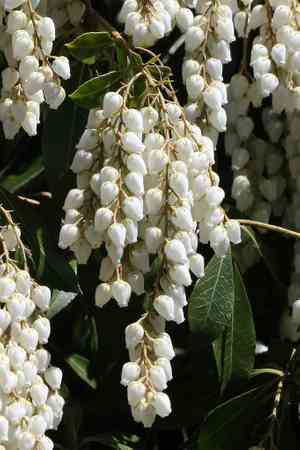
1
Provide water to your Japanese pieris weekly, modifying as per climatic factors.
2
Confirm the growing medium drains effectively to avoid root decay, often seen in overly wet substrates.
3
Employing a soil moisture sensor can assist in precisely tracking your plant's hydration requirements.
Understanding the Hydration Requirements of Japanese Pieris
The Significance of Adequate Moisture
Sufficient moisture is essential for the vitality and development of your Japanese pieris. Like all plants, it needs water for vital physiological processes, including photosynthesis, nutrient absorption, and growth. Insufficient water can cause stunted development, yellowing foliage, and ultimately, plant demise. Conversely, excessive watering can lead to root decay and other fungal diseases. Thus, comprehending and maintaining the correct watering equilibrium is paramount for a flourishing Japanese pieris.
Indicators of Insufficient and Excessive Watering
Recognizing the signs of under-watering and over-watering can help you effectively modify your irrigation routine. If your Japanese pieris is under-watered, you might observe drooping or curled leaves, dry soil, and slowed growth. On the other hand, symptoms of over-watering include yellowing foliage, browning leaf tips, and a soft or decaying root system. By observing these cues, you can ensure your plant receives the optimal amount of water.
Optimal Practices for Irrigating Japanese Pieris
Seasonal Irrigation Guidelines
The watering demands for the Japanese pieris can fluctuate throughout the year. During the active growth period in spring and summer, the plant generally needs more water to support its development and flowering. Watering once a week is typically adequate during this time. In the autumn and winter, when the plant enters a dormant phase, you can decrease the irrigation frequency. Always check the soil moisture before watering to prevent over-watering during these colder months.
Soil Moisture and Drainage Considerations
For optimal growth, the Japanese pieris thrives in well-draining acidic soil. Proper soil drainage is crucial to prevent water from accumulating around the roots, which can cause root rot. To improve drainage, consider incorporating a blend of garden soil with sand or perlite. Assess the moisture level by inserting your finger approximately 3 centimeters (1 inch) into the soil; if it feels dry at that depth, it's time to irrigate.
Maintaining an Optimal Watering Regimen
Tools for Monitoring Soil Moisture
To maintain an ideal watering schedule for your Japanese pieris, consider utilizing tools such as soil moisture meters. These devices provide precise readings of the soil moisture levels, helping you eliminate the guesswork involved in manual checks. A moisture meter is particularly useful in ensuring the deeper layers of soil are adequately hydrated without becoming waterlogged.
Adjusting Irrigation Based on Environmental Factors
Several environmental elements, such as temperature, humidity, and rainfall, can influence the watering requirements of your Japanese pieris. In hot and arid conditions, the plant may need more frequent irrigation, while in cooler and wetter conditions, you can reduce it. Always monitor the weather and modify your watering schedule accordingly to ensure your plant remains healthy.



